I once watched a German guy in a Tbilisi hostel spend forty minutes repacking a 70-litre backpack just to find his phone charger. Forty minutes. I was already two blocks away eating khinkali with a guy I’d met ten minutes earlier. Nobody tells you this about long trips: your bag stops being luggage and becomes a roommate. A bad one. It charges rent in shoulder pain and wasted mornings. After 67 countries I’ve landed on a number that sounds insane until you try it — seven kilograms. That’s my whole life for months at a time. Here’s how I got there, what it costs, and the mistake that almost broke me in Vietnam.
Bangkok, 2018. Three months across Southeast Asia, and my bag had grown a personality. I was hauling a 65-litre monster I’d bought for “just in case,” and every bus, every staircase, every sweaty walk to a guesthouse felt like punishment. A woman running a laundry stall near Khao San Road watched me struggle up the steps, laughed, and said something I’ll never forget: “You carry too much, you go nowhere.” She was right. Two days later I dumped half my stuff at a charity shop and the trip opened up like a window.
Why This Matters
Packing light isn’t a minimalist flex. It’s a budget strategy wearing a packing strategy’s clothes. Every extra kilo costs real money over a long trip. Budget airlines in Europe and Asia charge brutal fees for checked bags — Ryanair will happily take €50+ each way if you’re over. Trains in India charge by weight. Tuk-tuk drivers quote higher when they see a big pack. Even hostel lockers cost more when your bag doesn’t fit the free ones.
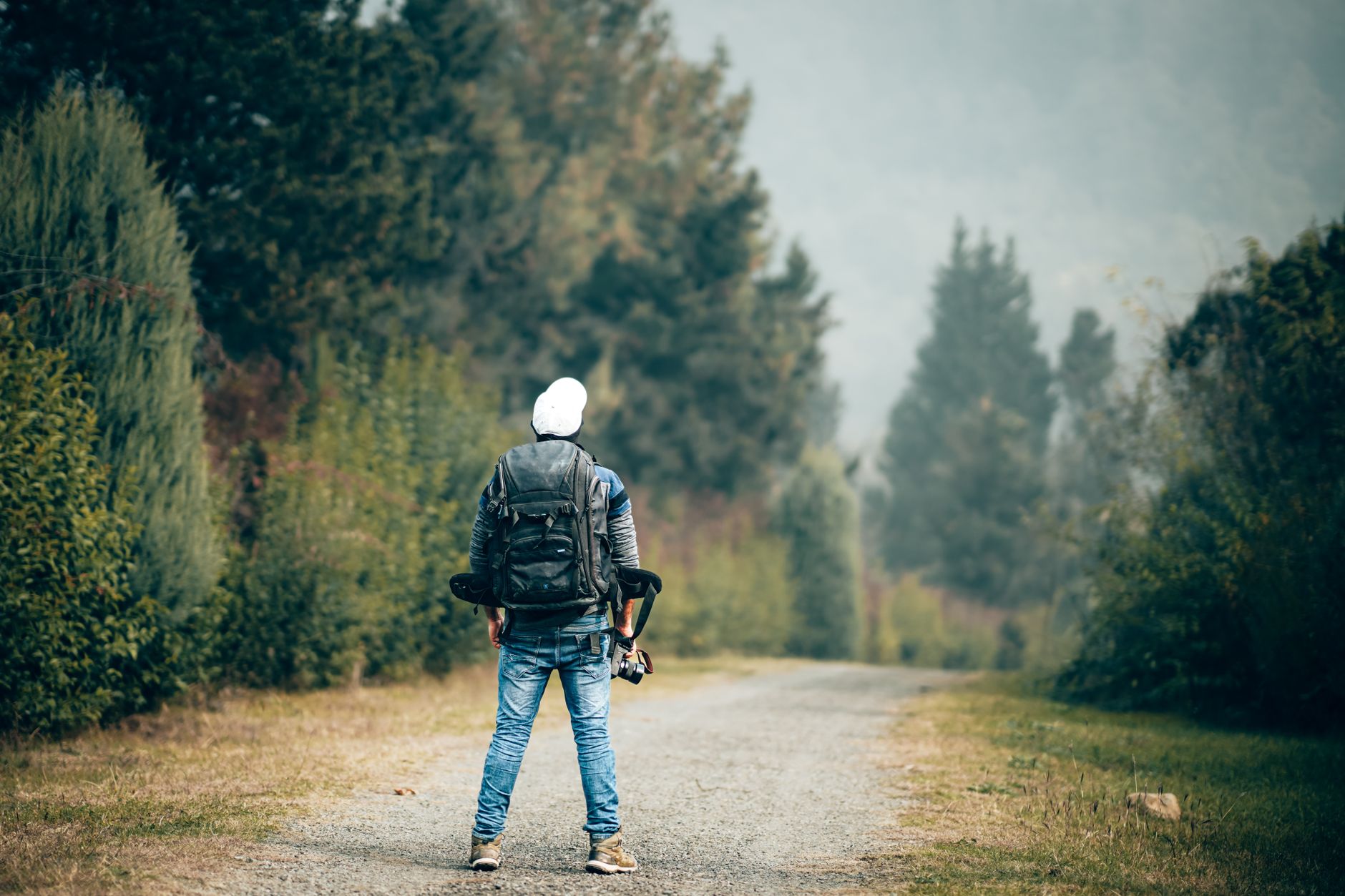
Then there’s the time tax. A heavy bag means you take taxis instead of walking. You skip the cheap bus because you can’t face hauling it. You book the guesthouse near the main road instead of the cheaper one up the hill. I’ve done the math. On a six-month trip, a heavy bag probably cost me $400 extra in transport, taxis, and “convenience” upgrades. That’s two months of accommodation in some countries.
Here’s the counter-intuitive bit: packing light doesn’t mean buying expensive gear. The ultralight crowd will tell you to spend $400 on a titanium spork and $300 on a merino wardrobe. Nonsense. My best packing decisions cost almost nothing. My worst ones involved a credit card and a gear-review website.
Top 5 Tips
1. Pack for four days, wash every four days. This is the whole game. Four days of clothes covers you indefinitely if you do laundry. A sink wash with bar soap takes ten minutes and costs zero. Laundry services in most of Asia and Latin America run $1–3 per load. In four years of long trips I’ve never once wished I had more shirts. I’ve wished I had fewer, many times, usually while carrying them.
2. Buy the bag last, and buy it small. Everyone buys the bag first and fills it. Do the opposite. Lay out everything you think you need, cut it in half, then buy a 30–40 litre bag that physically cannot fit more. A bag with no spare room is a bag that can’t grow. My current pack is a 38-litre I bought used for $35 in Medellín after my old one’s strap snapped. Not fancy. It works.
3. Every item must have three uses or one irreplaceable job. A sarong is a towel, a blanket, a beach mat, a privacy curtain, and a laundry bag. That’s five. A travel pillow with one job that eats a quarter of your bag? Leave it. Ask yourself: could I buy this for under $5 at my destination if I really needed it? If yes, don’t pack it. You can buy almost anything anywhere. You cannot buy back the space.
4. Wear your bulkiest items on travel days, always. Fleece, boots, jeans — all on your body, none in the bag. Airport staff never weigh you. This one trick saves two to three kilos instantly and costs nothing. I’ve boarded flights in 30°C heat wearing a down jacket tied around my waist because I knew I’d need it in the Andes three days later. Look ridiculous. Save money.
5. Build a capsule wardrobe in two colours. Everything matches everything. Three shirts, two trousers, one pair of shorts, one warm layer, one rain shell. Dark colours hide stains and dry faster. Merino is great if you find it cheap secondhand, but honestly, a $6 cotton t-shirt from a market works fine if you wash it. I’ve worn the same navy t-shirt across four continents. It has outlasted two relationships.
- Laundry every four days beats packing more clothes every time — budget $1–3 per wash or do it in a sink for free.
- Buy a small bag after you’ve chosen your gear, not before — 30–40 litres forces discipline.
- Wear your heaviest layers on travel days to dodge baggage weight limits and fees.
- Anything replaceable for under $5 at your destination stays home — you’re not going to the moon.
- Two-colour wardrobe, everything matches — fewer decisions, faster packing, no fashion stress.
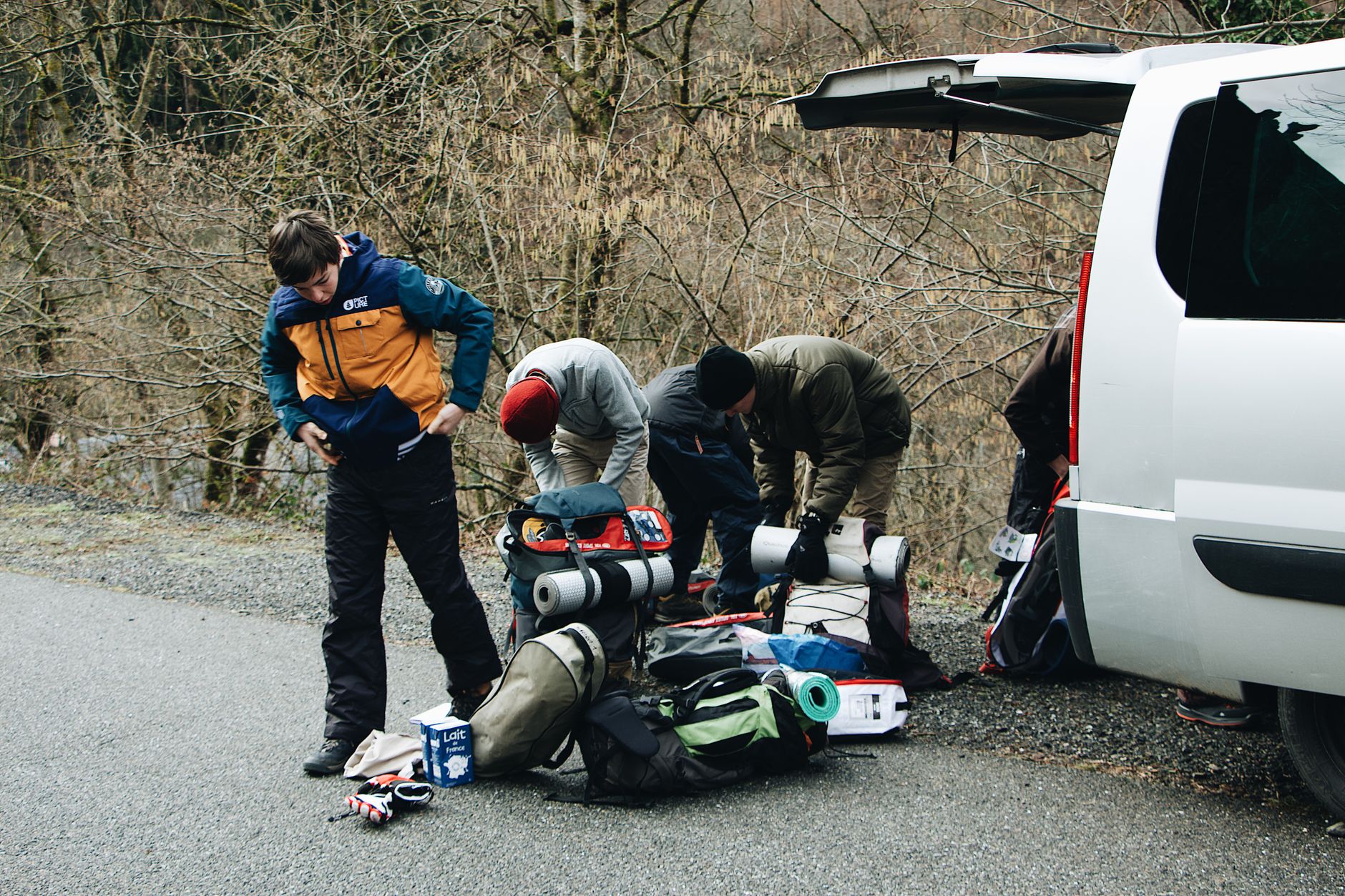
Budget Breakdown
Real numbers, in US dollars, from my actual trips. Your mileage will vary by country, but the ratios hold.
Bag: $35 (used 38L, bought in Colombia). New equivalents run $80–150. Don’t spend more until you’ve done a trip with a cheap one and know what you actually want.
Clothing total: around $120 for a full capsule if you buy smart. Three quick-dry t-shirts at $8 each ($24). Two pairs of lightweight trousers, one convertible ($60 combined). One fleece from a secondhand shop ($15). One rain shell ($20 on sale). Socks and underwear, five pairs each, quick-dry ($20). That’s it.
Toiletries: $15. Solid shampoo bar ($5), bar soap ($2), toothbrush and paste ($3), small sunscreen ($5). Solids don’t leak and don’t count against liquid limits. I haven’t carried a liquid toiletry in years.
Laundry over six months: roughly $60 if you pay for it twice a month at $2.50 a pop, or $0 if you sink-wash. I do a mix. Sink-wash the small stuff, pay for a proper wash every couple of weeks.
What you save: checked bag fees avoided on maybe eight flights, average $40 each — $320. Taxis avoided, maybe $150 over six months. That’s $470 back in your pocket. The whole packing setup cost me under $200. It pays for itself in the first month.
One more number. My heaviest bag ever, in 2016, was 19 kilograms. My lightest, last year, was 6.8. Same trips, roughly the same length. The difference in how I felt at the end of each one? Not comparable. Light won.
One Mistake to Avoid
Hanoi, 2019. I’d packed “sensibly” for a monsoon-season trip — which meant a proper rain jacket, waterproof trousers, a dry bag, and a second pair of walking shoes “just in case the first got wet.” My bag was 11 kilos. Manageable, I thought.
Then I got to a homestay in Sapa and realised I’d brought gear for a version of the trip I wasn’t taking. I wasn’t trekking in alpine conditions. I was walking between villages and drinking coffee. The waterproof trousers never left the bag. The second pair of shoes stayed dry the whole time. The dry bag held nothing worth protecting.
What I actually needed that week: one pair of shoes that could get wet and dry overnight, and a $3 poncho from a street stall that I bought anyway because the jacket was too hot. I carried four kilos of “just in case” for two weeks up and down hills. The lesson: pack for the trip you’re taking, not the trip you’re afraid of. Fear packs heavy. Experience packs light.
Now I have a rule. If I haven’t used something by day ten, it goes. I’ve left items in hostel free boxes across three continents. Someone else’s gain, my back’s relief. Have you ever actually needed that thing you packed “just in case”? Be honest.
Here’s the closing thought. The best trips I’ve taken weren’t the ones where I had everything. They were the ones where I had almost nothing and figured the rest out on the road. A light bag makes you braver. You walk further because it doesn’t hurt. You say yes to the detour because you can carry your life up a hill without cursing. You buy the weird thing at the market because there’s room. Pack less than you think you need, then pack less again. The world is full of shops and laundry lines and kind people with spare ponchos. Go find them. Your shoulders will thank you, and so will your budget.