The smoke off a charcoal grill on Hanoi’s Nguyen Huu Huan street hits you before you see it — lemongrass, pork fat, a hint of fish sauce caramelizing on a hot plate. I was standing there at 6am, jet-lagged and broke, watching a woman in a conical hat fold rice batter into something I’d later learn is called bánh cuốn. The whole plate cost me 25,000 dong. That’s about a dollar. I ate it standing up, burned my thumb on the plastic stool, and immediately ordered a second one. That morning set the tone for every trip since: the best food in any city is usually the cheapest, and it’s almost never where the guidebooks point you.
Seven years ago in Mexico City, I made the classic mistake. I walked past a line of thirty people outside a taco stand in Roma Norte because I figured the crowd meant tourist trap. Then I ate at an empty restaurant nearby that cost four times as much and tasted like sadness. The next morning I went back to that stand, ate three tacos al pastor for 45 pesos, and had a genuine epiphany about how I’d been traveling wrong. Now I judge a city entirely by its street corners, not its restaurants.
Why This Matters
Street food is the only travel expense where spending less almost always means eating better. A $3 plate from a cart that’s been in the same spot for twenty years beats a $40 tasting menu more often than I’d like to admit. It also gets you places restaurants can’t — you sit next to taxi drivers, students, grandmothers on their lunch break. You learn what a city actually tastes like, not what it wants to show you.
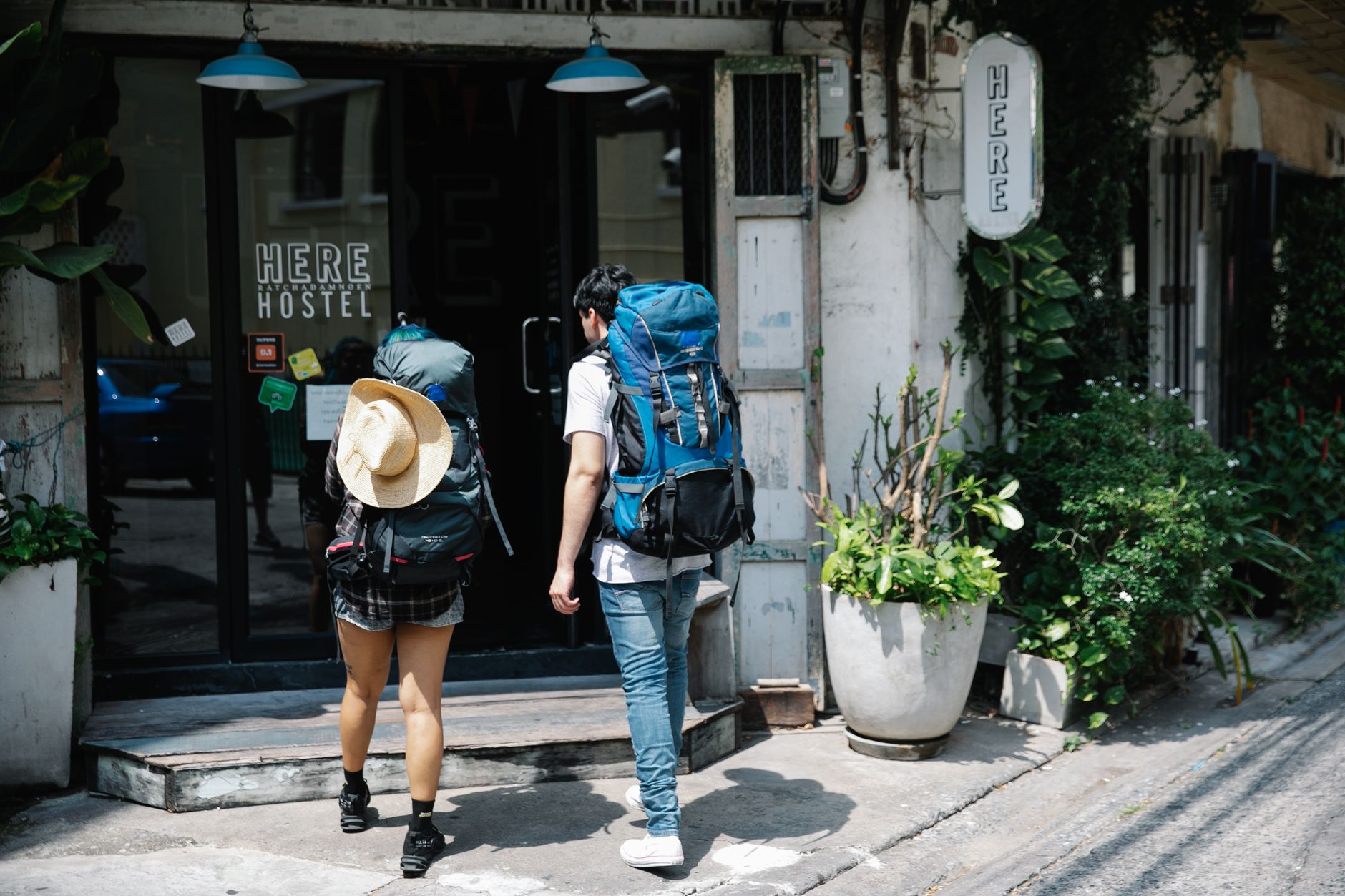
Here’s the counter-intuitive bit: I think the obsession with “authentic” street food is partly nonsense. The best stalls are the ones locals queue at because the food is good, full stop. Chasing “authenticity” leads you to mediocre spots that are merely old. Chase flavor and value instead. A stall that’s been there three years and serves incredible food beats one that’s been there thirty and coasts on reputation. Your stomach doesn’t know the difference between heritage and hype.
Budget-wise, street food is how I’ve eaten my way across 67 countries without blowing my savings. My daily food budget in most of Asia and Latin America sits around $8-12. In Bangkok I’ve had weeks where I ate for under $7 a day and never got bored. That’s the real argument: it’s not just cheaper, it’s a different and often better way of eating.
Top 5 Tips
1. Follow the lunch rush, not the reviews. A stall with fifteen office workers eating fast at 12:30pm is a data point. A stall with one tourist squinting at a phone is a warning. High turnover means fresher ingredients, which matters more than any star rating. I check timing before I check anything else.
2. Eat where the menu is short. Three items or fewer means the cook has mastered those three things. A cart selling forty dishes is reheating. In Penang I found a stall that sold nothing but char kway teow, and it was better than anything I ate all week.
3. Carry small bills and coins. Always. Street vendors in most cities can’t break a large note, and nothing kills a transaction faster than you waving a 500-baht bill at someone selling 40-baht noodles. I keep a dedicated pocket of small change. It’s the single most useful travel habit I’ve picked up.
4. Watch the queue, then watch the cook. Is the person cooking also the person who owns the stall? Are they tasting as they go? Do they clean the surface between orders? These three things tell you more than any health inspection sticker.
5. Eat at off-peak hours to skip the line, but never on a slow day. Show up at 2:30pm instead of noon and you’ll wait less. But if a stall is completely empty at peak lunch, walk away. Empty at 3pm is fine. Empty at 1pm on a Tuesday is a red flag.
One more thing — learn to say “no ice” and “well done” in the local language. It’s not paranoia, it’s just practical. I’ve had two bad stomach bugs in nine years, both from drinks, not food. Water and ice are where the risk lives, not the grilled meat.

Budget Breakdown
Real numbers from my last big trip, converted to USD. These are what I actually paid, not what a guidebook claims.
- Bangkok: boat noodles 50 baht ($1.40), mango sticky rice 60 baht ($1.70), grilled chicken skewers 10 baht each ($0.28). Full day of eating: roughly $6-8.
- Mexico City: tacos al pastor 15-20 pesos each ($0.80-1.10), tlacoyos 25 pesos ($1.40), fresh juice 30 pesos ($1.70). Daily food: $8-10.
- Hanoi: bánh mì 20,000-30,000 dong ($0.80-1.20), phở 40,000 dong ($1.60), bia hơi 5,000 dong ($0.20). Daily food: $5-7.
- Istanbul: simit 10 lira ($0.35), balık ekmek 60 lira ($2.20), çiğ köfte wrap 30 lira ($1.10). Daily food: $7-9.
- Penang, Malaysia: char kway teow 7 ringgit ($1.50), laksa 8 ringgit ($1.70), teh tarik 2.50 ringgit ($0.55). Daily food: $6-8.
Compare that to a mid-range restaurant meal in any of these cities, which runs $12-25 per person. I’m not saying never eat in restaurants. But over a two-week trip, street food saves me roughly $150-250, which is a flight or three extra days on the road. That’s the math that keeps me going.
My rule of thumb: budget $10 a day for food in Southeast Asia, $12-15 in Latin America, $15-18 in Turkey and the Balkans. That’s eating well, not scraping by. I usually come in under it.
One Mistake to Avoid
I got food poisoning in Varanasi in 2018 from a plate of pani puri. Not because the stall was dirty — it was spotless, the guy was meticulous. I got sick because I ate it at 9pm after it had been sitting out in the heat all day, and I ignored the fact that I was the only customer. The stall had been busy at lunch. By evening it was just me and a bored vendor. I should have walked away. I didn’t, because I was hungry and it looked good.
Two days of my trip gone. I spent them in a hotel room, sipping ORS and watching bad TV, and I lost about $60 in prepaid bookings. The lesson wasn’t “avoid street food.” The lesson was: eat at peak times, when turnover is high and nothing sits. A busy stall is your best food safety inspection. An empty one at the wrong hour is a gamble. I still eat street food every single day I travel. I just don’t eat from a lonely cart at closing time anymore.
Here’s what I’d tell anyone heading out for the first time:
- Eat at stalls with high turnover, especially at lunch.
- Carry small bills and coins so you’re not stuck.
- Skip ice and tap water in places where you’re unsure — food is rarely the problem.
- Trust your nose and your eyes, not just reviews or “authentic” claims.
- Budget $8-15 a day and you’ll eat like a king almost anywhere.
That first morning in Hanoi, I didn’t know any of this. I just knew the bánh cuốn was good and I wanted more. Nine years and 67 countries later, that’s still basically my entire strategy. Find the smoke, find the queue, hand over a few coins, and see what happens. Some of it will be bad. Most of it will be the best thing you eat all year. Go hungry, carry change, and don’t be scared of the plastic stools. The world’s best kitchens don’t have walls.