The first road trip I ever planned, I did everything wrong. Booked the car three weeks out at peak-season rates. Picked a route straight off a glossy tourism site. Assumed gas would cost maybe eighty bucks total. It cost $340. I ate gas-station sandwiches for six days because I’d blown my food budget-travel-in-scandinavia-how-to-do-it-cheap/”>budget on a single “must-do” restaurant in Santa Fe. By the time I limped home, I’d spent $1,100 on a trip I could have done for $400. That was 2016, and I’ve since driven somewhere north of 40,000 miles across four continents without repeating those mistakes. Here’s how I actually do it now. Stay Fit While Traveling.
Two summers ago I was somewhere outside Moab, Utah, watching the sun drop behind red rock I couldn’t afford to camp near. Every campground within thirty miles wanted $45 a night. So I pulled into a BLM lot instead, the kind with a porta-potty and nothing else, and a retired couple from Idaho handed me a cold beer and told me where the free dispersed sites were. I slept under more stars than I’d seen in years and spent zero dollars. That night reset how I think about road trip budgets. The best spots are rarely the ones with a price tag.
Why This Matters
A road trip is the cheapest way to see a lot of ground, but only if you plan it like a cheapskate instead of a tourist. Flights lock you into one city. Trains are lovely and I love them, but they cost real money and they only go where the tracks go. A car gets you to the weird diner, the roadside hot spring, the town nobody’s heard of. That freedom is the whole point.
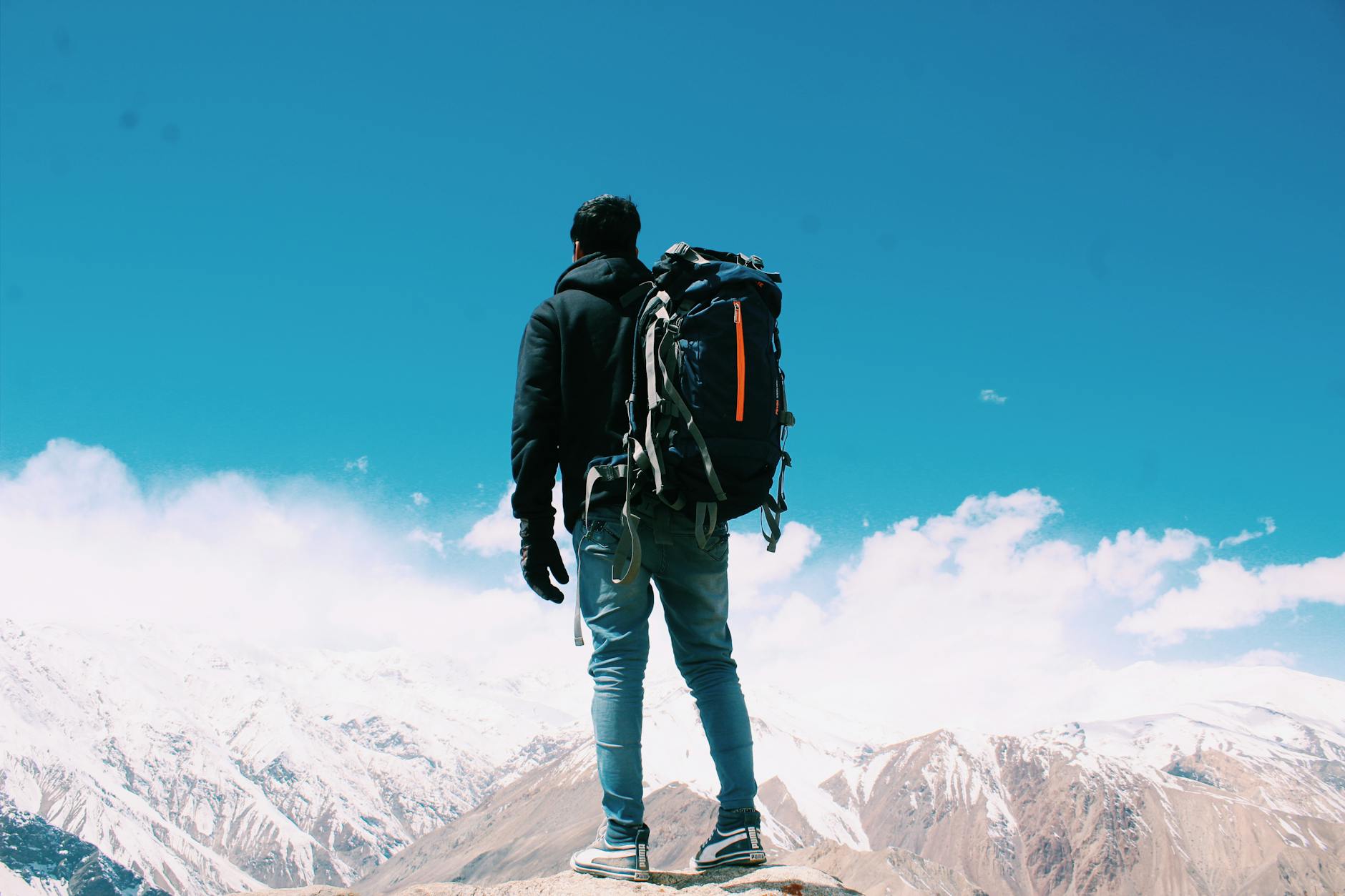
Here’s the counter-intuitive part: the more you spend on your car and your gear, the worse your trip usually gets. I’ve had better weeks in a $28-a-day hatchback than friends have had in rented campervans that cost $200 a day. Fancy rigs make you cautious. Cheap rigs make you adventurous, because you’re not terrified of a scratch or a pothole.
And the money you save isn’t just money. It’s days. Every dollar you don’t spend on lodging is a dollar that buys you another tank of gas, which is another 300 miles, which is another town, another meal, another story. Budget travel isn’t about deprivation. It’s about buying more trip with the same wallet. Who doesn’t want that?
Top 5 Tips
1. Pick your route by gas price, not by Instagram. This sounds boring. It’s the single biggest lever you have. In the US, gas can swing from $2.80 to $5.50 a gallon depending on the state, and that spread is brutal over 2,000 miles. In 2023 I routed a Southwest loop specifically to avoid California and Nevada fuel prices, filling up in Arizona and Utah instead. Saved about $180 over ten days. Use GasBuddy or just Google “cheapest gas along I-40” before you leave. Also: drive slower. Dropping from 80 to 65 mph on the highway genuinely improves your mileage by 15 to 20 percent. I know it feels slow. It’s not as slow as being broke.
2. Sleep for free, and do it legally. Dispersed camping on BLM and National Forest land is free and often spectacular. Walmart parking lots work in a pinch, though you should always ask the manager first. Truck stops like Love’s and Pilot let you park overnight for nothing if you buy something. In Europe, I’ve slept in rest areas across France and Spain for zero euros, though I always check local rules because some countries fine you. In New Zealand, the freedom camping rules are strict and the fines are huge, so read up before you assume. A night of free camping funds a night in a real bed later, and honestly, the free nights are usually the better ones.
3. Eat one real meal, snack the rest. I used to blow my whole food budget on dinner because I was tired and hungry and the restaurant looked nice. Now I hit a grocery store every second or third day and keep a cooler stocked with bread, cheese, fruit, hummus, and whatever’s on clearance. That covers breakfast and lunch for maybe $6 a day. Then I spend real money on one dinner, usually somewhere local and unglamorous. A taco truck in Tucson beat every fancy meal I’ve had on the road. Total food cost for a week: $70 to $90 instead of $250.
4. Rent the cheapest car you can stand, or take your own. If you own a car, drive it. Rental cars are where budgets go to die, especially with one-way fees that can hit $300 or more. If you must rent, book through a comparison site at least six weeks out, avoid airport pickup (it adds 10 to 15 percent in taxes and fees), and check whether your credit card covers insurance so you can skip the $30-a-day counter upsell. I once saved $220 on a ten-day rental just by picking the car up downtown instead of at the terminal.
5. Travel in the shoulder season and on weekdays. Campgrounds that charge $50 on a Saturday in July charge $20 on a Tuesday in May. Motels drop by half outside peak. Attractions have shorter lines. The weather is often better. I did a Colorado loop in late September and had Maroon Bells almost to myself, paid $18 a night at a Forest Service site, and never once fought for a parking spot. Peak season is a tax on people who can only travel when everyone else does.

Budget Breakdown
Here’s an actual ten-day, 1,800-mile trip I did last spring, driving my own car from Denver through Utah and back. All figures in US dollars, for one person.
- Gas: $210 (about 600 miles per tank, roughly $3.40 a gallon average)
- Camping and lodging: $95 (three paid campground nights at $18 to $22, one motel night at $65, six free nights on BLM land)
- Food: $130 (groceries every third day, four modest restaurant meals)
- Park passes and entry fees: $80 (one America the Beautiful annual pass at $80, which paid for itself in two days)
- Miscellaneous: $45 (a tire patch, two coffees, a museum I hadn’t planned on)
- Total: $560 for ten days, or $56 a day
Compare that to the $1,100 I spent on a six-day trip in 2016. Same country, same kind of scenery, nearly double the cost for less than two-thirds the time. The difference wasn’t luck. It was planning.
If you’re renting a car, add $35 to $70 a day depending on where and when. If you’re in Europe, fuel is roughly double, tolls are real, and you’ll want to budget $15 to $25 a day for camping or hostel beds. The math changes, but the principle doesn’t: control your fixed costs and the trip stays cheap.
One Mistake to Avoid
My worst road trip mistake wasn’t overspending. It was overplanning.
In 2018 I mapped a two-week route through the Pacific Northwest down to the hour. Every campsite booked, every drive timed, every stop scheduled. By day four I was miserable. I’d hit traffic outside Portland and lost three hours, which meant I skipped a waterfall I’d wanted to see, which meant the whole plan felt broken. I spent the rest of the trip chasing a schedule instead of enjoying where I was.
The fix is simple and it took me years to learn it: book nothing you can’t cancel, and never book more than two nights ahead. Leave a third of your days completely open. The best things on a road trip are the things you didn’t know existed until you got there. A friend’s cousin’s cabin. A detour a stranger recommends. A town you pull into because you’re tired and it turns out to have the best pie in three states.
Rigid plans cost money too. Non-refundable bookings mean you eat the cost when you change your mind, and you will change your mind. Flexibility is the cheapest upgrade you can buy.
So go. Pick a direction, not a destination. Fill the tank, throw a cooler in the back, and give yourself permission to waste a day doing nothing somewhere beautiful. The road doesn’t care how much you spent. Neither will you, ten years from now, when all you remember is the light on the mountains and the stranger who handed you a beer.