Eleven dollars a night in Sarajevo. Nine in Medellín. Six — six! — in Hanoi, breakfast and a jasmine-smelling rooftop included. I’ve slept in 67 countries since 2015, and I can count on one hand the hostels I genuinely regret. Cheap doesn’t mean grim. It means you know where to look, and what to ignore. The best budget-travel-destinations-2026-real-costs/”>budget hostels on earth aren’t hiding. They’re buried under booking-site noise, fake reviews, and listings that photographed a completely different building in 2017. Here’s what I’ve actually paid, where I’ve actually slept, and how I stopped wasting money on bad dorms.
My worst night’s sleep cost me nothing, which is exactly why I remember it. I was in a hostel outside Kotor, Montenegro, in a room with eight beds and one window that didn’t close. Around 2 a.m. a guy two bunks over started snoring like a lawnmower with a grudge. I grabbed my sleeping bag and walked down to the common room, where a Slovenian girl was already awake, making tea. We talked until sunrise about her grandfather’s fishing boat. I never learned her name. That’s the thing about cheap hostels — the value isn’t the bed. It’s the people who also couldn’t afford a hotel.
Why This Matters
Accommodation is the single biggest line item in almost every travel budget. Flights you book once. Food you can control. But a bed, every night, for weeks — that’s where budgets die. On my first long trip I blew 60% of my money on rooms in the first month. I went home early. Rookie mistake.
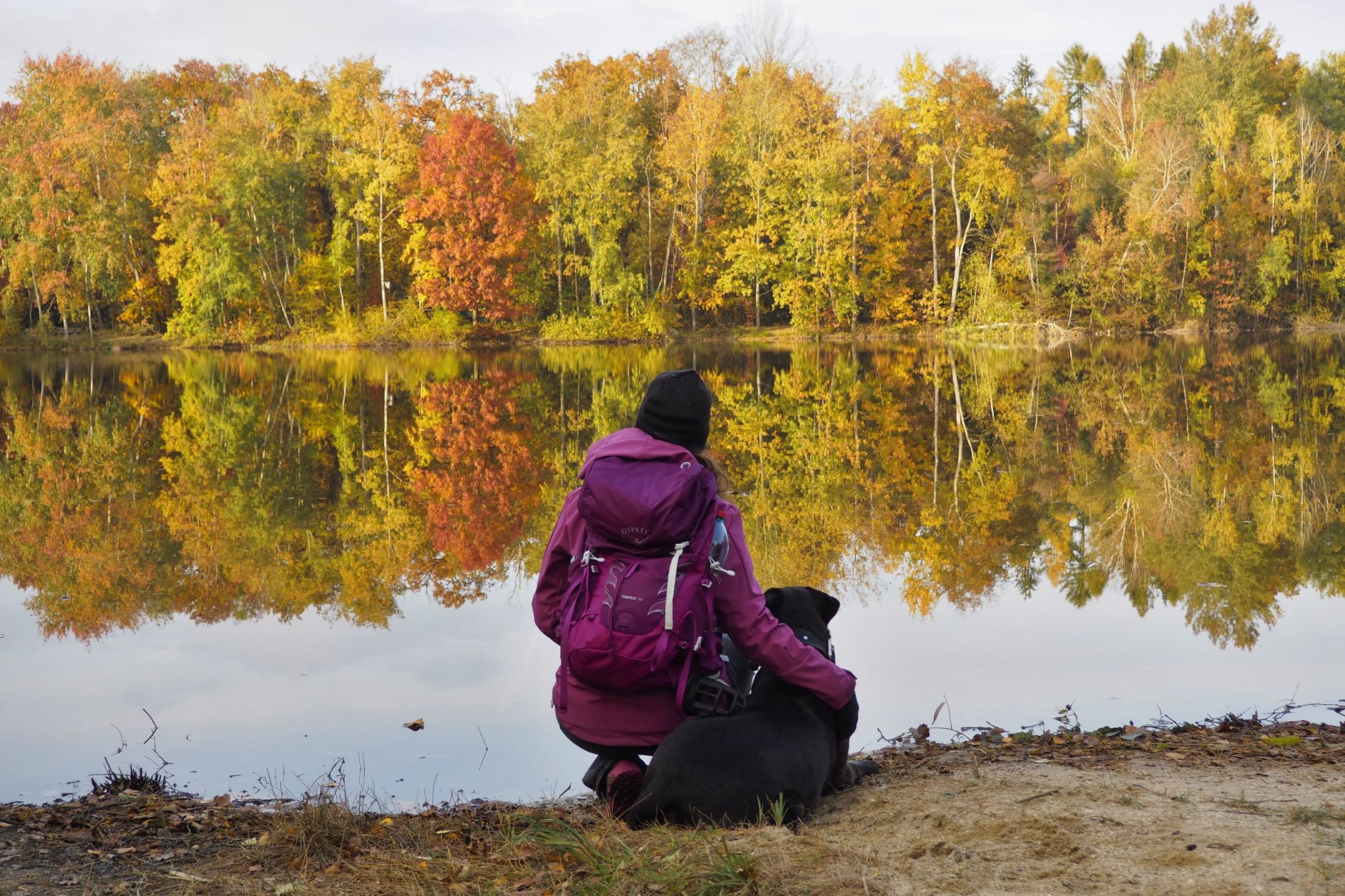
Here’s the counter-intuitive part: the cheapest hostels are often better than the mid-range ones. A $30 “boutique hostel” is usually just a budget hotel with a sad communal kitchen nobody uses. A $9 dorm in a city with a strong backpacker scene? That’s where the free walking tours start, where someone’s always cooking rice, where you find out about the bus that costs a third of the train. Cheap forces community. Expensive isolates you.
You don’t want to spend your trip hunting for beds either. Get the system right once and it pays you back every single week.
Top 5 Tips
1. Book the first two nights only, then decide in person. Photos lie. Reviews get gamed. I once booked five nights at a place in Tbilisi based on a 9.2 rating and walked into a room with no lockers and a bathroom door that didn’t fully shut. Two nights meant I could leave. Always leave yourself an exit. If it’s great, extend at the desk — it’s usually cheaper than the online rate anyway.
2. Read the 3-star reviews, never the 5-star ones. Five-star reviews are written by people who just checked in and are excited. Three-star reviews are written by people who stayed four nights and noticed things. Search the review text for these words: “lockers,” “noise,” “wifi,” “hot water,” “bed bugs.” One mention of bed bugs is a red flag. Three mentions is a booking I cancel.
3. Choose location over luxury, every time. A $4 saving on a bed that costs you $6 in transport and 90 minutes of walking is a losing trade. I’ll pay a dollar or two more to be inside the old town, near a metro stop, or within walking distance of the market where locals actually eat. Your time is the real budget.
4. Pack earplugs, a padlock, and a sleep mask. Always. This trio has saved more trips than any booking strategy. Earplugs turn a snoring dorm into a private room. A padlock means you can use the hostel’s free lockers instead of paying for a private one. The sleep mask is for that guy who turns the lights on at 5 a.m. to repack his bag. You will meet that guy. He is inevitable.
5. Use the hostel as a base, not a destination. The best cheap hostels have a kitchen, a water filter, and a notice board. Cook two meals a day, fill your bottle for free, and read the board for rideshares and group tours. I’ve cut daily food costs to under $8 this way in countries where restaurants wanted $15 for lunch. The hostel pays for itself in saved meals.

Budget Breakdown
Real numbers from my last few years of travel, in US dollars, per night. These are what I actually paid — not advertised rates, not “from” prices. I’m listing the city, the typical dorm rate, and what that usually gets you.
- Hanoi, Vietnam: $6–$9 dorm. Free breakfast, strong A/C, rooftop bar. The best value on this entire list.
- Sarajevo, Bosnia: $10–$13 dorm. Central old town, free walking tour pickup, kitchen you’d actually use.
- Medellín, Colombia: $8–$12 dorm in El Poblado or Laureles. Pool at some places, coworking desks at others.
- Kotor, Montenegro: $11–$15 dorm in summer, $8 in shoulder season. Prices double in July. Book early or go in May.
- Chiang Mai, Thailand: $5–$8 dorm. The cheapest consistently good hostels I’ve found anywhere.
Now the daily total. A realistic cheap day in Chiang Mai or Hanoi runs $22–$28: bed, three meals cooked or street-eaten, local transport, one paid attraction. In the Balkans or Colombia it’s closer to $35–$40. Western Europe? Double that and you’re still doing fine if you cook. The point isn’t the number. It’s that the bed is never more than a third of your day’s spend. If it is, you’re overpaying.
One more thing: hostel prices swing wildly by season and by day of week. A dorm in Lisbon can be $14 on a Tuesday and $38 on a Saturday in August. If your dates are flexible, shift them. I’ve saved hundreds by moving a trip two weeks earlier.
One Mistake to Avoid
I once booked a “hostel” in Marrakech that turned out to be a guy’s apartment with four mattresses on the floor and no front door key. I paid $12 a night for it, which felt like a bargain until I realized I couldn’t leave my bag anywhere, couldn’t shower without asking, and spent the whole stay stressed. The listing had 40 reviews, all five stars. They were all from one week in 2019.
The mistake wasn’t the price. It was trusting a rating without reading the dates. Check when the reviews were written. A hostel with 200 reviews spread over three years is real. A hostel with 40 reviews all from one month is either new, which is fine, or fake, which isn’t. Look for recent reviews that mention specific staff names or specific streets. Vague praise is a warning sign. And if a place has no reviews at all, don’t be the test subject on a two-week trip. Be the test subject on one night.
I also learned to always have a backup. Screenshot two other hostels nearby before you arrive. If the first one is a disaster, you walk ten minutes and you’re fine. That single habit has saved me three trips since.
Cheap travel isn’t about suffering. It’s about spending your money where it actually changes your experience and refusing to spend it where it doesn’t. A $7 bed in a city you love beats a $70 room in a city you’re just passing through. Every single time. So pick a place, book two nights, bring earplugs, and let the rest figure itself out. The best hostel I ever stayed in wasn’t the one with the highest rating. It was the one where a stranger taught me how to say “thank you” in a language I’d never heard before. That cost me eight dollars. You can’t buy that anywhere else.