I’ve done the math more than once. Across 67 countries and eleven years of hauling a 38-litre backpack, the single biggest threat to my health wasn’t dodgy street food or a sketchy night bus. It was the slow, quiet drift into becoming a sedentary person who happens to change time zones. Six weeks of that and my jeans fit differently. My energy tanked. I’d climb three flights to a hostel dorm and need a minute at the top. Staying fit while-traveling/”>while-traveling-real-ways/”>while travelling isn’t vanity. It’s the difference between walking the whole old town and watching it from a café because your knees and your ambition both gave out.
The moment that snapped me out of it was a hostel in Medellín in 2017. Five months on the road, eating arepas and cheap beer, doing zero exercise beyond wandering. A girl in my dorm invited me on the free city hike up to a viewpoint. I made it maybe two-thirds of the way before I had to stop, hands on knees, pretending to admire the view. She wasn’t even breathing hard. That night I looked at my budget spreadsheet and realised I’d spent €40 that week on buses I could have walked past. My body and my wallet were both getting soft.
Why This Matters
Nobody tells you this when you’re booking a €9 flight: the cheapest way to see a city is on your feet, and your feet only work if you’ve kept them working. Fitness while travelling is a budget strategy as much as a health one. When I’m moving well, I skip taxis, I skip the gym day-pass, I skip the tour bus, and I see more. When I’m not, I pay for convenience I don’t need and I miss the alleys, the markets, the neighbourhoods on the wrong side of the river.
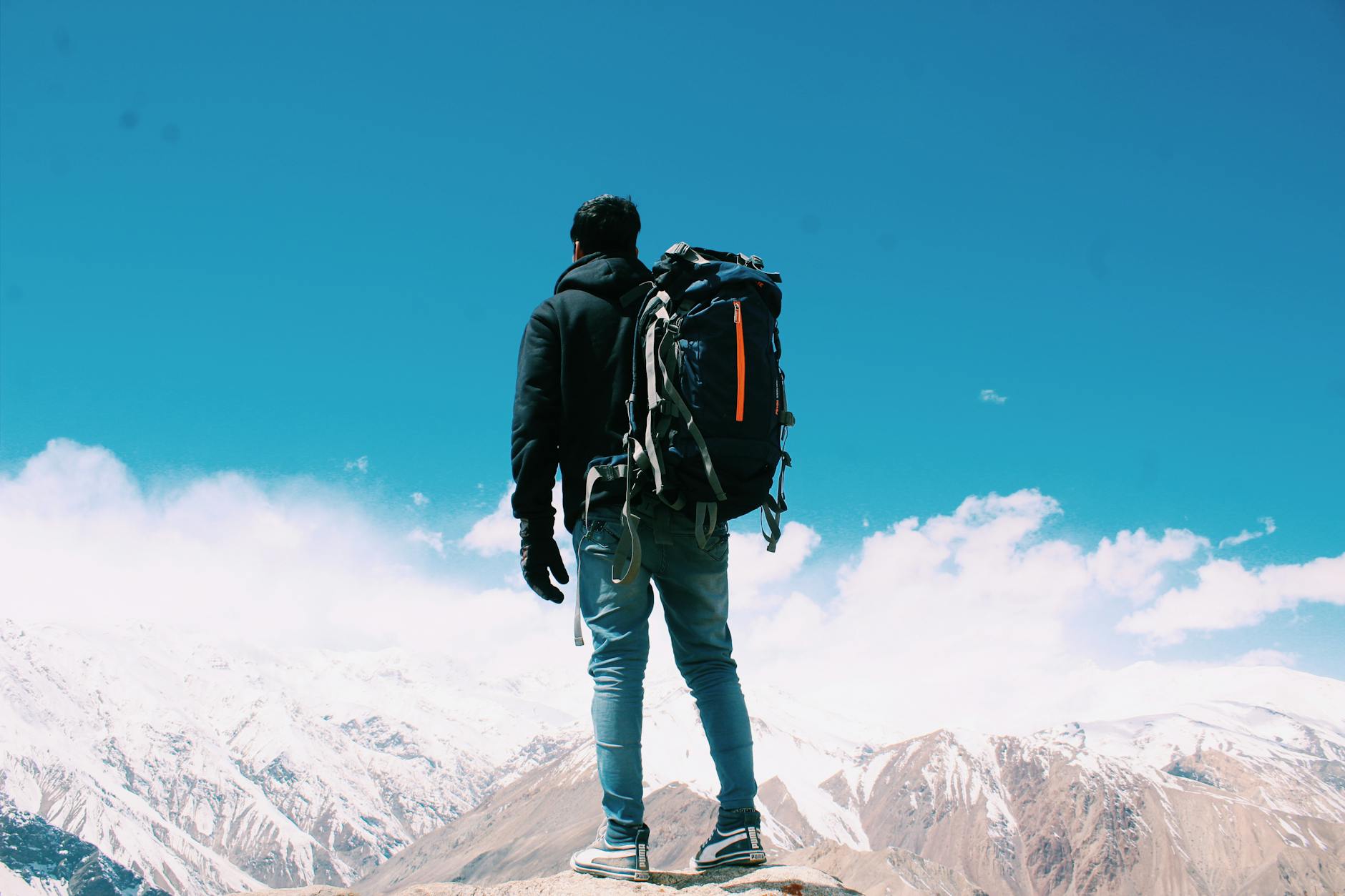
There’s a mental side too. Exercise is the cheapest anti-anxiety tool I’ve found on the road. A twenty-minute run through an unfamiliar city does more for my head than any hostel bar. You learn the streets faster, you notice where the locals eat, and you burn off the restlessness that comes from sleeping in a different bed every four nights. And no — you don’t need a gym membership or a suitcase full of resistance bands. You need maybe fifteen minutes and a willingness to look slightly ridiculous doing squats in a park.
Top 5 Tips
1. Bodyweight first, gear later. I’ve carried a set of resistance bands across three continents and used them perhaps a dozen times. What I actually use is the floor. Five moves, three rounds, twenty minutes: squats, push-ups, lunges, a plank, and glute bridges. That’s it. No equipment, no gym, no excuse. Hostel dorm floors are grim, so I do it in a park or on a rooftop or in a stairwell. The stairwell is honestly underrated — find one with ten-plus flights and you’ve got a free cardio machine.
2. Walk like it’s your job, because it is. Get off the bus two stops early. Take the stairs at the metro. Pick the far supermarket. On an average travel day I clock 15,000 to 20,000 steps without trying, which is more than most people manage at home. One trick: I never take a taxi to a place I could reach in under thirty minutes on foot. That one rule has saved me hundreds of euros and kept my legs honest.
3. Treat the city as your gym. Outdoor calisthenics parks are everywhere once you look — free, usually well-used by locals, and a great way to meet people. I’ve done pull-ups in Lisbon, Sofia, and a tiny park in Tbilisi where an old man corrected my form. Even better, look for free running routes along rivers, parks, or waterfronts. I’ll map a 5km loop on my first morning in a new city. It doubles as a tour and it sets the tone for the whole stay.
4. Eat like a local, not like a tourist on holiday. This is where budgets and waistlines both blow up. Restaurant meals three times a day for a month is a recipe for feeling like a slug. I aim for one proper sit-down meal a day and fill the rest from markets — fruit, yoghurt, bread, whatever’s cheap and fresh. Local produce is cheaper than tourist menus and kinder to your body. I still eat the fried thing. I just don’t eat it every day.
5. Build movement into the travel itself. Pick the hike over the cable car. Rent a bike instead of a scooter. Swim at the beach instead of lying on it. Choose the walking tour over the bus tour. Every one of those choices costs less money and more calories. I once spent a week in the Albanian Alps walking between guesthouses for €15 a night, and it was the fittest — and cheapest — week of that whole year. The best exercise on the road isn’t scheduled. It’s just the trip, done on foot.

Budget Breakdown
Let’s talk real numbers, because “staying fit” often gets sold as an expensive hobby and it absolutely doesn’t have to be. These are my actual costs, in euros, averaged across the last few years of travel:
- Resistance bands: €8–12 once, if you must. Mine live at the bottom of the bag and get used maybe once a week. Honestly optional.
- Running shoes: €60–90 replaced roughly every 800km. The one piece of gear worth spending on.
- Outdoor calisthenics park: €0. Free, everywhere, usually with locals who’ll show you how the bars work.
- Gym day-pass: €5–15 in most of Europe, cheaper in the Balkans and Caucasus. I use these maybe twice a month in winter, when it’s too cold to train outside.
- Bike rental: €5–10 a day in most cities. Cheaper than a day of metro tickets and you see ten times more.
- Markets vs. restaurants: a market breakfast runs €3–5; a sit-down one €10–15. Do that swap daily and you’ve funded a week of guesthouses over a month.
Add it up: a month of staying fit on the road costs me under €20 on average, mostly shoes amortised over years. That’s less than a single airport taxi. The walking and the stairwells and the parks are the whole game.
One Mistake to Avoid
I learned this one the hard way in northern Vietnam. I’d been eating brilliantly — pho, banh mi, fresh fruit, cheap beer — and telling myself I was fine because I was walking a lot. Then I signed up for a two-day trek and spent the first afternoon cramping so badly I had to sit out half the route. The problem wasn’t my legs. It was that I’d been drinking coffee and beer and almost no water for a week, and eating almost no protein beyond a bit of tofu. I’d confused “eating cheap” with “eating well.”
The mistake: treating fitness as purely a movement problem. It isn’t. Hydration and protein are the two things travellers neglect most, and they’re the two that decide whether your body actually recovers between all those steps. Now I carry a refillable bottle and drink 2–3 litres a day, and I make sure most days include eggs, beans, yoghurt, or some cheap local protein. It costs almost nothing. Skipping it cost me a trek I’d looked forward to for months.
So here’s my question for you: when did you last check whether you’re actually fuelling the body that’s carrying you around the world?
Staying fit on the road isn’t a programme. There’s no app, no twelve-week plan, no expensive membership to cancel when you fly home. It’s a hundred small choices — the stairs, the market breakfast, the walk instead of the taxi, the twenty minutes in a park before the day starts. Do those and you’ll see more of the world, spend less of your money, and come home stronger than you left. That’s the whole trick. Now go find a stairwell.