I’ve slept in 200-plus hostels across 67 countries. Paid £3 for a bunk in rural Laos. Paid £28 for a “boutique” dorm in Amsterdam that turned out to be a converted broom cupboard with six beds jammed inside. Hostels have saved me thousands of pounds and given me some of the best nights of my life. They’ve also given me bedbugs, food poisoning from a shared fridge, and one memorable morning where I woke up to a stranger’s toenail clipping on my pillow.
Planning your first big trip? Your fifteenth? Wondering whether hostels are still the right call? Here’s what I actually learned from over a decade of shared dorms, dodgy showers, and 2am friendships that lasted exactly one night.
The first hostel I ever stayed in was a six-bed dorm in Lisbon in 2015. I’d budgeted £18 a night for a private room and blew it on the first hostel instead because I was terrified of going broke in week one. I walked in, claimed the top bunk, and spent two hours pretending to be asleep so I wouldn’t have to talk to anyone. Then a guy from Melbourne offered me a beer from the shared fridge, and we ended up walking to a tiny tasca in Alfama at midnight for grilled sardines. I slept four hours, missed my train the next morning, and didn’t care. That’s the hostel trade-off in a nutshell.
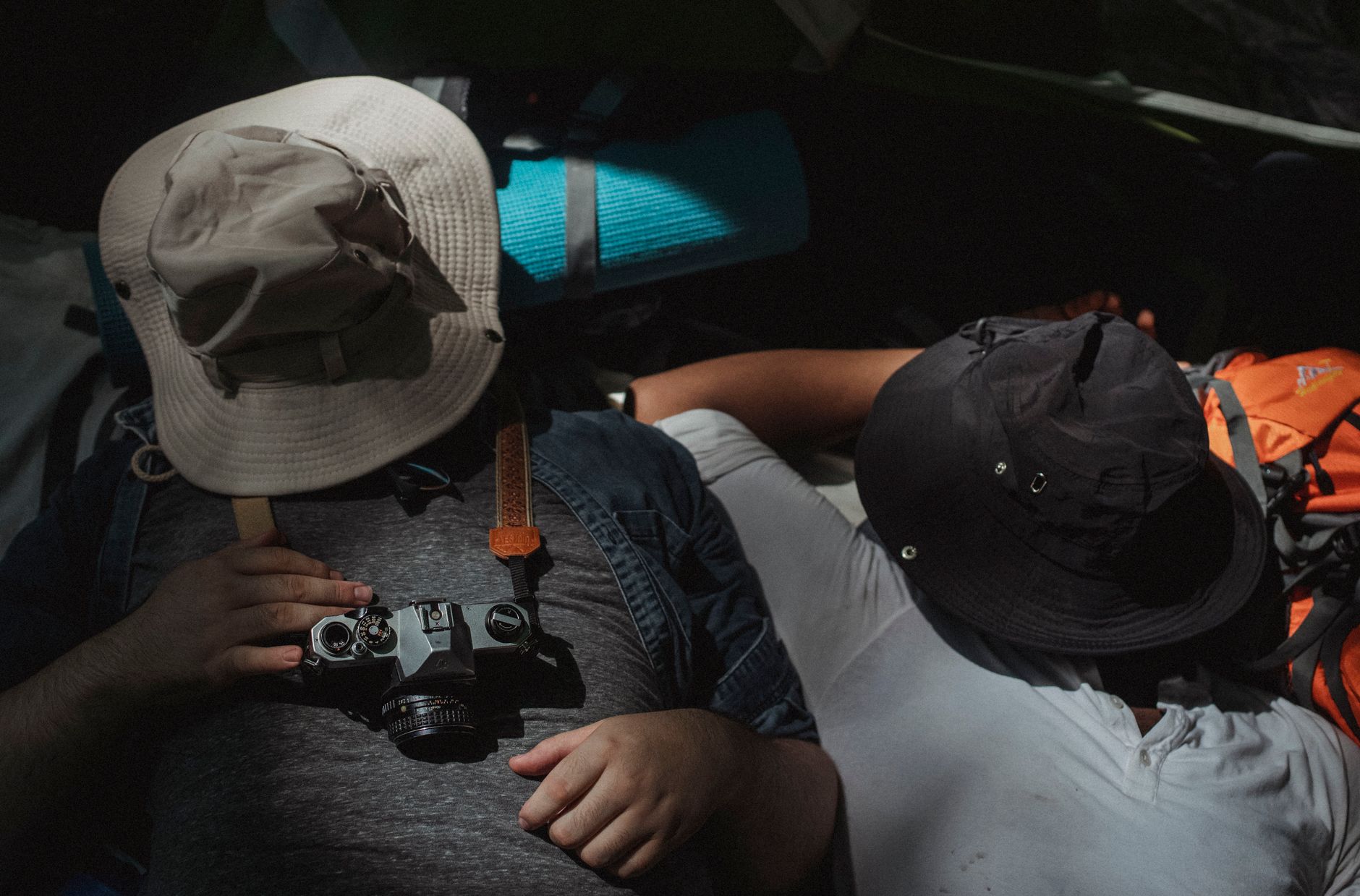
Why This Matters
Accommodation eats the biggest chunk of any travel budget. On a two-week trip through Europe, a private room at £70 a night costs £980. A hostel dorm at £20 a night costs £280. That’s a £700 difference — enough for a return flight to Southeast Asia, a month of street food in Thailand, or an entire second trip.
But the money isn’t the only reason. Hostels are the only accommodation where you’re forced into contact with other travellers. Hotels isolate you. Airbnbs isolate you. Hostels throw you into a room with five strangers and a shared kitchen, and that’s where the good stuff happens — the tip about a hidden beach, the invitation to a local festival, the person who knows a guy who rents motorbikes for half the tourist price.
Counter-intuitive opinion: the cheapest hostels are usually the worst value. I’ve paid £4 for a bed that cost me a night’s sleep, a day of energy, and £15 in taxis to escape a grim neighbourhood. A £12 hostel in a walkable area beats a £5 hostel in the middle of nowhere every single time. Pay for location and cleanliness, not the lowest number on Hostelworld.
Top 5 Tips
1. Book the first night, wing the rest. Never arrive in a new city with nowhere to sleep — that’s how you end up paying £80 for a last-minute hotel because every hostel is full. Book one or two nights online before you land, then decide after you’ve seen the place. Reviews lie. Photos lie harder. If the vibe is off, move on. If it’s great, extend directly with reception — they’ll often knock a few pounds off the online rate to avoid the commission.
2. Choose your dorm size deliberately. A 4-bed dorm costs maybe 30% more than a 12-bed but gives you way more sleep, way less noise, and a much better chance of actual conversation. A 20-bed party dorm is fine for one night in Budapest. It’s a disaster if you have a 7am bus the next day. Read the room description carefully — “mixed dorm” often means “eight drunk Australians and you.”
3. Bring earplugs, a padlock, and a sleeping mask. Non-negotiable. Earplugs are the single most important item in my bag. Snoring, squeaky doors, 3am suitcase zipping, someone’s alarm going off six times — all of it disappears with a decent pair of foam plugs. A padlock for the locker (most hostels don’t provide one). A sleeping mask for dorms where the lights never really go off. Total cost: about £12. Worth: everything.
4. Use the kitchen and the free breakfast. Hostel kitchens are grim but functional. I’ve cooked pasta with tomato sauce for £1.20 a portion across half of Europe and saved hundreds. Free breakfast — even if it’s just toast, jam, and instant coffee — knocks £5 to £8 off your daily food budget. Eat a big hostel breakfast, skip lunch or make it a piece of fruit, then spend your money on one proper dinner. That rhythm works everywhere.
5. Talk to people first, ask questions later. The best hostel experiences come from saying yes to things. Yes to the group heading to the night market. Yes to the guy organising a day trip to the waterfalls. Yes to the girl who wants company at the laundrette. You don’t have to be an extrovert — you just have to be willing to sit in the common room for twenty minutes instead of scrolling your phone in your bunk. That’s it. That’s the whole trick.
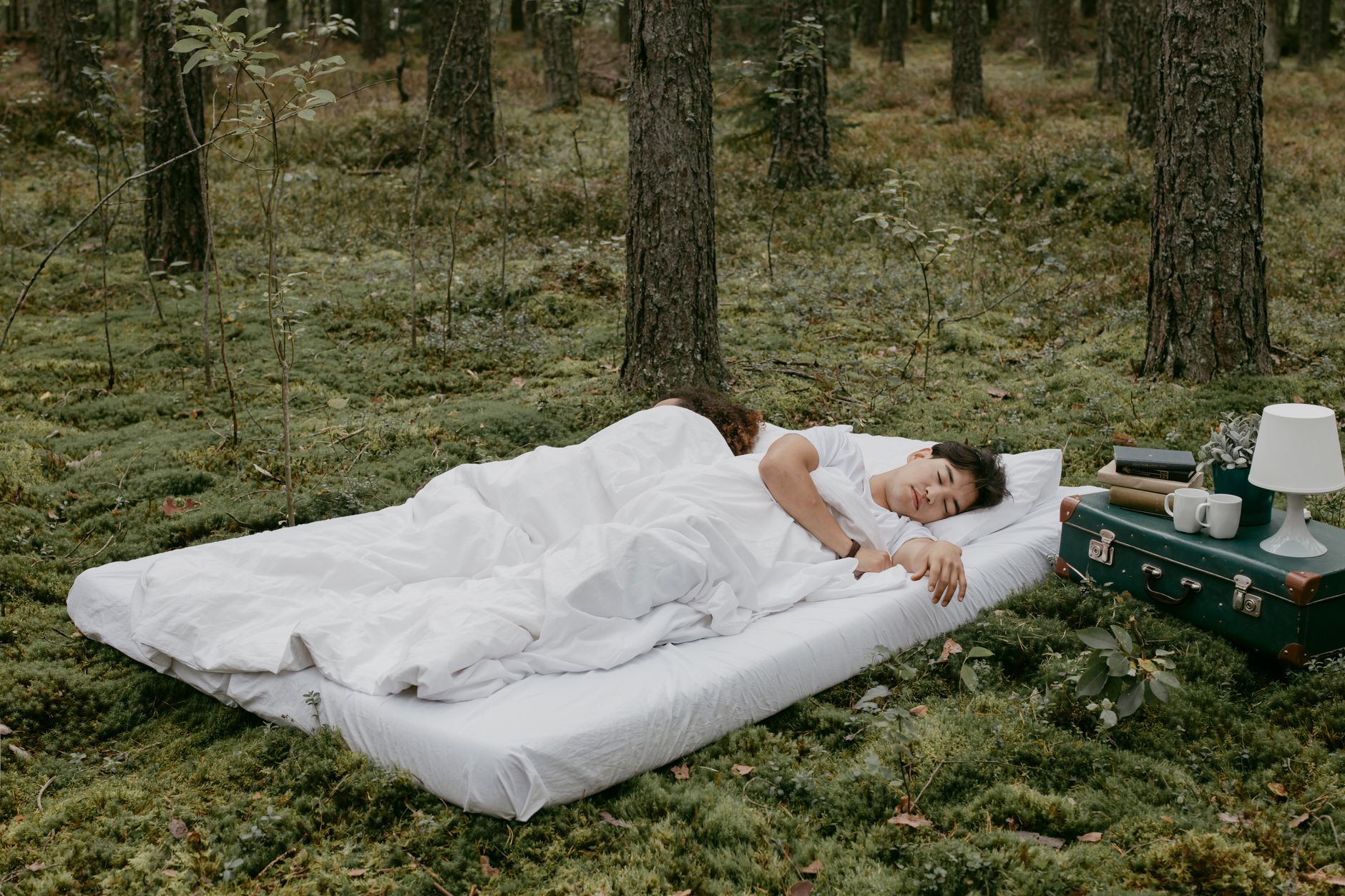
Budget Breakdown
Here’s what hostels actually cost across regions, based on my own spending over the last few years. All prices in GBP, per night, for a standard mixed dorm bed.
- Southeast Asia (Thailand, Vietnam, Cambodia): £3–£8. Best value on earth. £5 gets you air conditioning, a pool sometimes, and free breakfast. I once paid £2.50 in Kampot, Cambodia, for a bed with a fan and a hammock. Slept like a baby.
- Eastern Europe (Poland, Hungary, Romania): £8–£15. Excellent quality for the money. £12 in Kraków got me a spotless 6-bed dorm two minutes from the main square.
- Western Europe (UK, France, Netherlands, Italy): £18–£35. Expensive and often cramped. London and Amsterdam are the worst offenders. Book early or you’ll pay £45 for a bunk.
- Central America (Mexico, Guatemala, Nicaragua): £6–£12. Great value, especially outside major cities. £8 in Antigua, Guatemala, for a dorm with a rooftop terrace and mountain views.
- Australia and New Zealand: £20–£35. Painful. A dorm bed in Sydney costs more than a private room in Vietnam. Budget accordingly.
Over a 30-day trip, hostels at an average of £12 a night cost £360. The same trip in budget hotels at £40 a night costs £1,200. That’s £840 saved — a return flight to Bangkok, a month of food, and a new camera. That’s the math that matters.
One Mistake to Avoid
I once booked a 16-bed dorm in Berlin for four nights because it was £9 a night and I was trying to stretch a tight budget. It was in a basement with no windows. The air conditioning was broken. Three of my roommates were long-term residents who never left the room and watched videos on full volume until 4am. By night three I had a cold, a headache, and a serious grudge against my own cheapness.
I moved to a £22 hostel across town for the last night. Private pod, clean bathroom, actual sunlight. I slept ten hours and felt human again.
The lesson: don’t optimise for the lowest price. Optimise for sleep quality and location. A bad night’s sleep costs you a day of your trip. A day of your trip is worth more than the £13 you saved. If a hostel has no windows, no lockers, or reviews that mention “bedbugs” or “unsafe area,” just pay the extra tenner. Your future self will thank you.
Hostels aren’t just cheap beds. They’re the front door to a version of travel that’s messier, louder, and far more interesting than anything you’ll get behind a hotel room door. You’ll sleep badly some nights. You’ll meet people who change the direction of your trip. You’ll learn that comfort is overrated and that the best stories come from the nights you didn’t plan.
So book that bunk. Bring the earplugs. Say yes to the stranger with the sardines. The world is wide, the beds are cheap, and the people you’ll meet are worth every creaky mattress and lukewarm shower. Go.