The smell hits you before the view does. Somewhere between burnt rosemary and wet stone — that particular Portuguese scent of a village that’s been cooking the same lunch for two hundred years. I’m standing on a switchback above Piódão, one of those schist villages stacked into the Serra do Açor like someone dropped a box of grey Lego down a hillside. Late September. The tourists have thinned out. The woman renting me a room for €25 a night just handed me a fig the size of my thumb. Nobody in Lisbon knows this place exists. That’s the whole point of this post. Portugal has spent a decade selling you tram 28 and the Algarve cliffs, and both are genuinely great. But the country’s real magic hides in the interior, where your phone loses signal and your daily budget drops below €40.
I found Piódão by accident in 2019. Rented Fiat Panda, dodgy clutch, paper map because I’d run out of data. I’d planned to be in Coimbra by dark. Instead I took a wrong turn near Arganil, followed a road that kept narrowing, and ended up eating grilled sardines at a plastic table while a man named Fernando explained, in Portuguese I barely understood, that his grandfather had built half the houses I could see. I stayed three nights. That detour cost me maybe €60 extra and gave me the best week of the trip. I’ve been chasing that feeling across Portugal ever since.
Why This Matters
Nobody tells you this about travel in Portugal: the famous stuff is now priced like the famous stuff. A pastel de nata on the Lisbon waterfront runs €3.50. The same pastry in a village bakery in the Beiras costs 80 cents — and tastes better, because the baker’s been at it since 6am. Accommodation in the Algarve in August? Forget it. The interior in May or October is a different country, financially speaking.
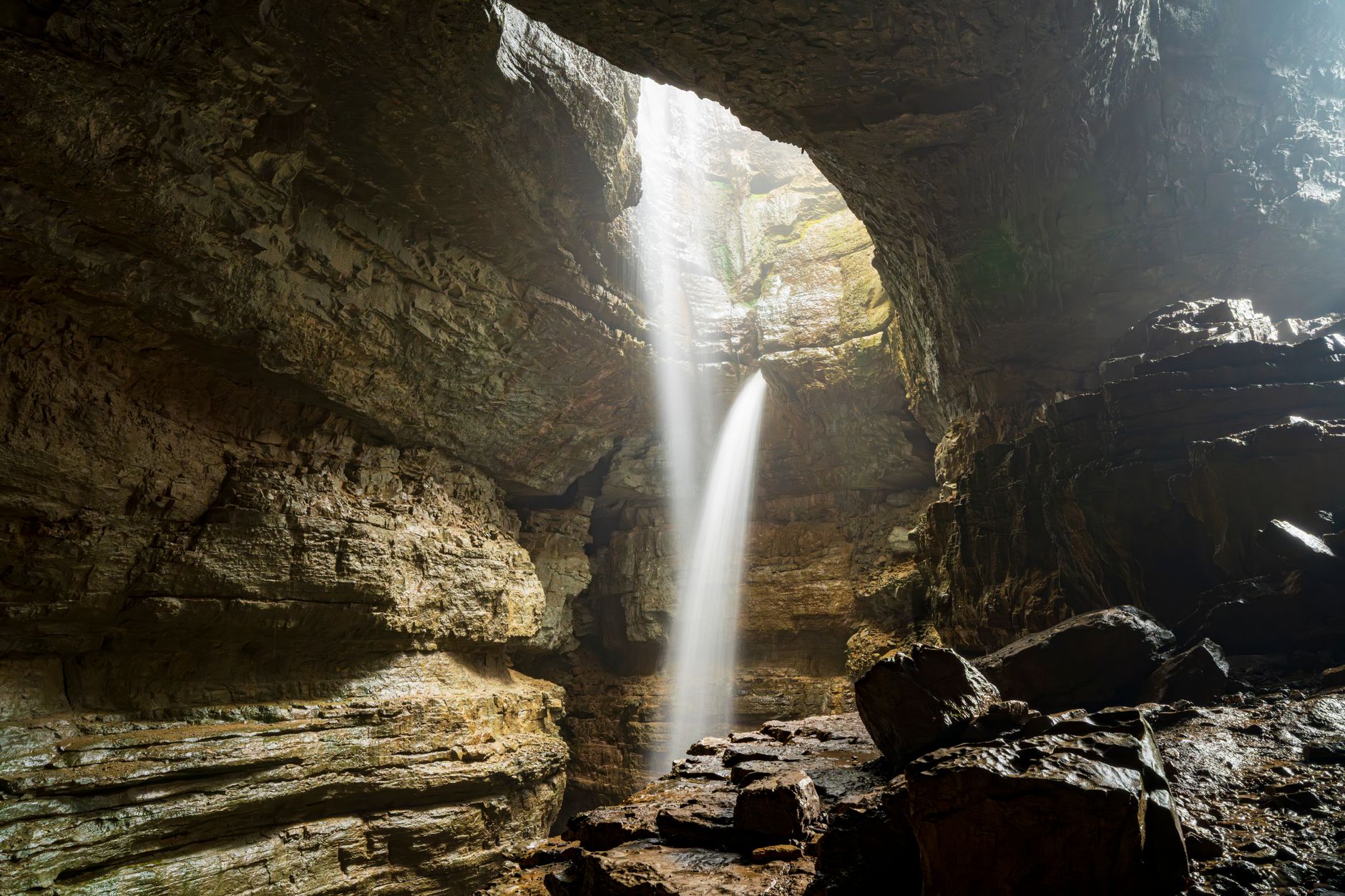
Spreading your money into smaller towns also does something good. The Portuguese interior has been emptying out for fifty years. Young people leave for Lisbon, the villages grey out, the schools close. Every euro you spend in a place like Monsanto or Sortelha goes to a family that chose to stay. That’s not charity. It’s just a better transaction, and you get a better trip out of it. Counter-intuitive opinion incoming: the Algarve is the most overrated region in Portugal, and I’ll happily defend that over a beer. The cliffs are stunning. The crowds in July make me want to swim home.
Top 5 Tips
1. Rent a car, but not from the airport. The interior only works with wheels. Buses exist but they run twice a day and stop at 6pm. I book through a local agency in a mid-size city like Coimbra or Viseu and pay around €18-25 a day for a small hatchback in shoulder season. Airport rentals add 30-40% and a queue. Get the full insurance. The mountain roads will test your nerves and the stone walls don’t move.
2. Sleep in turismo rural and casas de campo, not hotels. These are converted farmhouses and village homes, usually family-run, often €30-45 a night for a double. Breakfast is usually included and usually involves too much bread. Search the terms directly rather than through booking sites where possible — a phone call in broken Portuguese has saved me €10 a night more than once.
3. Eat where the truckers eat. Look for a sign saying prato do dia and a parking lot full of white vans. Lunch — soup, bread, a main, and wine — runs €8-12. Dinner is the same food for double. I eat my big meal at 1pm and have cheese, olives, and a bottle of local wine for dinner on a terrace. Total daily food cost: €20-25.
4. Go in the shoulder months, and go midweek. May, June, late September, October. The light is better, the heat is survivable, and small hotels drop their rates. Weekends bring Portuguese weekenders from the cities, so Tuesday to Thursday is when you’ll have a village square to yourself.
5. Learn twenty words of Portuguese. Not Spanish. Portuguese. Bom dia, obrigado, quanto custa, a conta, por favor. In the interior, English drops off fast after the age of 40. A genuine attempt opens doors that money can’t. I’ve been invited to two family lunches this way and I’m still not sure I deserved either.

Budget Breakdown
Real numbers from a ten-day loop through the Beiras and Alentejo interior, solo, September, all figures in euros. I track everything in a notebook because I’m that person.
- Car rental: €22/day including full insurance, €220 total. Fuel for roughly 900km: €75.
- Accommodation: nine nights averaging €38, one splurge night at €65 in Marvão, total €407.
- Food: €23/day average. Prato do dia lunches, bakery breakfasts, supermarket picnics, one memorable €18 dinner in Monsanto. Total €230.
- Entries and sites: most castles and schist villages are free or cost €2-3. Total €28.
- Everything else: coffee, wine, a replacement phone charger, a parking ticket I’m not proud of. €60.
Grand total: about €1,020 for ten days, or €102 a day. That includes the car, which is the big fixed cost. Two people sharing would drop it to roughly €75 each per day. Cut the car and use buses between three or four bases and you’re looking at €55-60 a day, though you’ll see less. My honest advice: the car is worth it here. This isn’t a region you can half-do.
One Mistake to Avoid
I once tried to see five schist villages in one day. Belmonte, Sortelha, Monsanto, Idanha-a-Velha, Penha Garcia. On paper it looked efficient. In reality I spent six hours driving, forty minutes in each place, and remember almost nothing except a growing resentment of my own itinerary. Monsanto deserves a full afternoon. Sortelha deserves a slow morning and a coffee in the square. I raced through both and got a photo of a castle wall instead of a memory.
The lesson: in the Portuguese interior, distance lies. A 40km road on the map can take 90 minutes because it climbs, twists, and occasionally turns into a single lane with a goat on it. Plan two villages a day maximum. Leave the third for next time. There will be a next time.
One more thing in the same spirit. Don’t book every night in advance. The best stays I’ve had were found the same afternoon, asking at a café whether anyone rented rooms nearby. Rigid plans in a region built for wandering are a self-inflicted wound.
Go Before Everyone Else Does
Piódão has a small sign now pointing to a viewpoint. Monsanto gets bus tours on weekends. The word is out, slowly. In five years the interior will cost what the coast costs now, and I’ll be the guy grumbling about the good old days. You have a window.
So here’s my challenge to you: book a flight to Porto or Lisbon in May or October, rent the smallest car you can stand, and drive east until the road gets narrow and the phone goes quiet. Eat the prato do dia. Sleep in a farmhouse. Learn to say obrigado like you mean it. Will you actually do it, or will this stay another post you nod at and forget? The fig is waiting. It’s the size of your thumb and it costs nothing, and it tastes like the reason you started travelling in the first place.