Winter travel-sleep-free-spend-less/”>travel has a reputation problem. Everyone assumes it means ski resorts, overpriced chalets, and a credit card statement that makes you wince in February. I’ve spent nine winters on the road since 2015, and the opposite is true. Off-season Europe empties out. Prices collapse. You get the version of a city that locals actually live in. My cheapest month of travel ever was January in the Baltics — colder than a freezer, cheaper than a hostel dorm in July. Below is everything I’ve learned about stretching a winter budget: the numbers, the mistakes, and why my favourite season to travel is the one everyone else avoids.
Two years ago I landed in Vilnius at 11pm in minus fourteen. The bus from the airport cost €1. I’d booked a private room for €19 a night — in summer that same room goes for €70. I walked to the old town the next morning and had it almost to myself. Snow on the baroque rooftops, no tour groups, and a bowl of cepelinai the size of my fist for €5.50. The woman running the canteen asked why I’d come in winter. I said because it’s cheap and quiet. She laughed and gave me an extra potato pancake. That trip cost me €240 for six days, flights included. I still think about it.
Why This Matters
Winter is when the travel industry’s pricing logic flips in your favour. Demand drops off a cliff in most of Europe, the Balkans, the Caucasus, and huge chunks of Asia, while supply stays exactly the same. That gap is your discount. Hotels that charge €90 in August charge €30 in January. Flights on budget carriers routinely drop under €40 return if you’re flexible on dates. You’re not getting a worse trip — you’re getting the same city with fewer people and better prices.
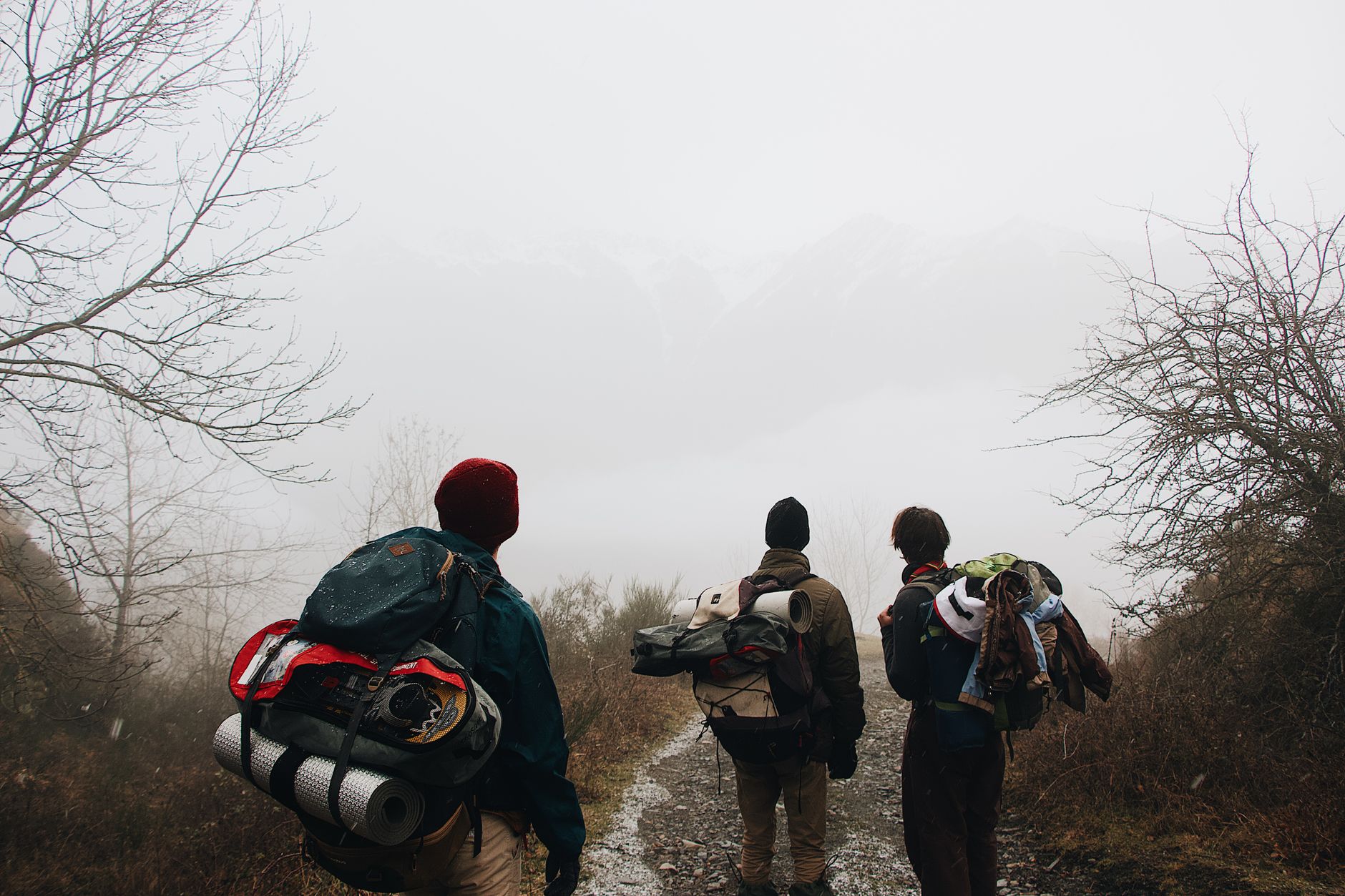
Here’s the counter-intuitive bit: the coldest destinations are often the best value. People hear “Tallinn in February” and picture misery. What they don’t picture is saunas, mulled wine, and a hostel bed for €12. Cold scares off the crowd. The crowd is what makes travel expensive. Follow the cold, not away from it.
There’s a practical side too. Winter travel forces you to slow down. You can’t cram eight sights into a day when it’s dark by 4pm and your fingers stop working. So you sit in cafés, talk to people, actually see where you are. Some of my best travel days have been the least productive ones.
Top 5 Tips
1. Book the flight first, then pick the destination. I know that sounds backwards. Do it anyway. Set a flight alert from your home airport to “anywhere” for a two-week window in January or February, and wait. Last winter I got a €28 return to Sofia purely because I watched the alerts for eleven days and pounced on a Tuesday morning flash sale. Decide where you’re going based on what’s cheap, not what’s on your list. The list can wait.
2. Chase the shoulder, not the peak. The first week of December and the last week of January are dead zones — everyone’s either pre-Christmas or post-holiday broke. Prices in those windows are sometimes 40% below the weeks either side. Avoid school holidays, avoid New Year’s Eve, avoid anything that involves a countdown.
3. Layer like you mean it and pack less. One thermal base layer, one fleece, one waterproof shell. That’s it. I’ve done three-week winter trips with a 30-litre bag. The trick is merino — it doesn’t stink after four days, which means you wash less, which means you carry less. Buy one good merino base layer and it’ll outlast five cheap ones. Cold feet ruin trips; wool socks are non-negotiable.
4. Use the cold as a social tool. Winter hostels have fewer guests, and the ones who show up are hardier, more interesting, and more likely to share a bottle of wine by the radiator. Ask the front desk where locals eat. In Sarajevo a receptionist sent me to a ćevapi spot that cost €3.50 and had no English menu. Best meal of the trip. Nobody’s queueing for anything in February — use that access.
5. Build free indoor days into your plan. Museums, galleries, libraries, markets, saunas — most cities have free or near-free indoor options, and winter is when you’ll actually want them. Check for free museum days (many European cities do first Sundays or similar). A €0 day is a great day. Don’t fight the weather; plan around it.

Budget Breakdown
Here’s a real six-day trip I took last January: Vilnius and Riga, flying from London. These are actual numbers I pulled from my bank statement, in euros, solo traveller, no frills but not miserable.
- Flights (return, carry-on only): €38 — booked on a Tuesday flash sale, 11 days out.
- Accommodation (5 nights, private room in a hostel): €95 total — €19 a night in Vilnius, €18 in Riga, one night on an overnight bus.
- Food and drink: €110 — roughly €18 a day. Canteens, market lunches, one nice dinner, plenty of coffee.
- Transport between cities: €22 — the bus from Vilnius to Riga, booked online a week ahead.
- Activities and entry fees: €35 — two museums, one sauna, one walking tour tip.
- Miscellaneous (SIM card, snacks, the odd beer): €40.
Total: €340 for six days, all in. That’s less than a long weekend in a British seaside town in August. Could you do it cheaper? Yes — dorm beds instead of private rooms would knock it to about €250. Could you do it more comfortably? Also yes, add €150 and you’re in boutique hotels. The point is the baseline is low. You’re not sacrificing much for that price.
Same logic works elsewhere. Tbilisi in February: guesthouses from €15, meals for €4, wine for €3 a glass. Kraków in January: beds from €12, big lunches for €6. Even Portugal in winter, where it’s mild rather than cold, drops to €25 a night outside Lisbon. The pattern holds everywhere demand falls.
One Mistake to Avoid
I once booked a “cheap” winter flight to a mountain town in Romania without checking whether the buses from the airport actually ran in winter. They didn’t. Not on Sundays, anyway. I landed at 9pm, discovered the last bus had left at 6, and ended up paying €45 for a taxi — more than my flight — to a guesthouse that was, and I cannot stress this enough, closed for the season. The owner hadn’t updated the listing. I slept in a bus station café until 6am and ate a cold sandwich for breakfast.
Winter travel punishes assumptions. Summer travel is forgiving — something’s always open, something always runs. Winter is not. Before you book anything between November and March, check three things: that your accommodation is actually operating, that the transport links run on the day you’re arriving, and that your arrival time isn’t after dark in a place with no evening connections. A €30 flight becomes a €120 mistake fast if you don’t. It’s the single most common way budget winter trips blow up, and it’s entirely avoidable with ten minutes of checking.
So here’s my question for you: when was the last time you let the price of a flight decide where you went, rather than the other way round? Try it this winter. Pick a cold city nobody’s talking about, book the cheap seat, layer up, and see what the off-season gives you. My bet is you’ll come home with more stories and a lighter wallet than any summer trip ever managed. The snow’s already falling somewhere with a €15 bed and a €3 lunch waiting for you. Go find it.