The bus from Tbilisi dropped me in Yerevan at 4:40 in the morning. No hostel booked. No working SIM card. Phone at nine percent battery. I sat on a curb outside the station eating a stale lavash I’d bought eleven hours earlier and watched a man hose down the sidewalk in the dark. Within twenty minutes a taxi driver named Armen had offered me his cousin’s spare room for twelve dollars a night. That unplanned hour turned into four of the best days of my life. I’ve been chasing that feeling for a decade now, across sixty-seven countries, and I still can’t book a trip in advance without feeling like I’m suffocating a little.
The first time I tried travelling with zero plan, I nearly ruined it. Istanbul, 2016, and I’d deliberately left my first three nights unbooked to see what would happen. What happened was a two-hour panic at a café near Taksim, refreshing hostel pages with terrible wifi while my backpack dug into my shoulders. Then a woman at the next table asked if I was lost. She walked me to a place her nephew ran, and I ended up staying a week, helping behind the counter in exchange for a bed and breakfast. The lesson wasn’t that plans are bad. It was that I’d confused “no plan” with “no preparation,” and those are very different animals.
Why This Matters
Here’s the honest math on why this is worth your time and money. The typical two-week European trip, booked in advance from your couch, runs you somewhere between $2,000 and $3,500 once flights, trains, hostels, and the inevitable “I’m here so I should do the thing” tours pile up. The same two weeks, unplanned, has cost me as little as $640 on the ground in the Balkans. Not because I’m some ascetic monk. Because flexibility is the single most valuable currency a budget traveller has, and you can’t spend it if you’ve already locked everything in.
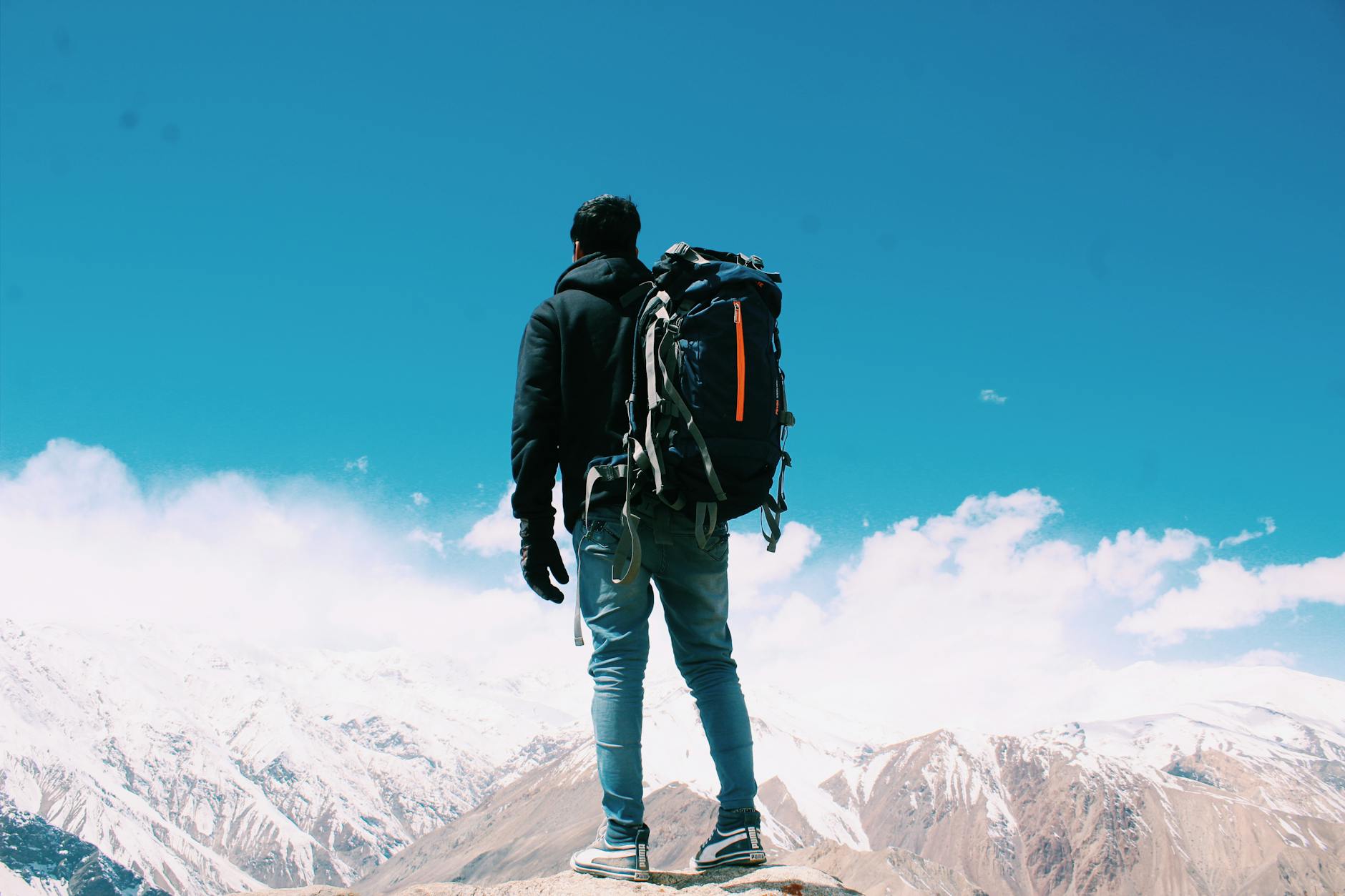
When you book ahead, you’re paying a premium for certainty. That premium is real — sometimes 40 to 60 percent on accommodation alone, since you’re competing for the same rigid dates as everyone else. When you don’t, you’re trading certainty for leverage. A hostel with empty beds at 6pm will negotiate. A guesthouse owner whose season is ending will drop the price. A bus with two seats left sells them cheap. I’ve gotten rooms for half the listed rate just by showing up and asking, and I’ve never once pulled that off on a booking site.
There’s a deeper thing too. Plans calcify. You meet someone in a hostel in Sarajevo who’s heading to the mountains in Montenegro, and if your train to Zagreb is already booked, you say no. If it isn’t, you say yes, and that mountain trip becomes the story you tell for the next five years. Unplanned travel is how you accidentally end up somewhere better than where you were going. That’s not a platitude — it’s a mechanical fact of how opportunity works when your calendar has slack in it. The people who get the most out of a trip aren’t the ones who researched hardest. They’re the ones who left room for the trip to push back.
One counter-intuitive opinion before we go further: I think the “find yourself” framing of unplanned travel is mostly nonsense, and it actually hurts your budget. People who travel planlessly hoping for transformation tend to spend money looking for it — tours, retreats, “authentic experiences” sold at a markup. The real payoff is far more boring and far more useful. You get better at reading situations, at asking strangers for things, at tolerating discomfort. Those are life skills, not spiritual ones, and they’re free.
Top 5 Tips
1. Book exactly one night, then decide. This is the whole system. Book your first night after arrival — or the first two if you land after dark — and nothing else. That single reservation gets you through the door, gives you a base, and lets you scope the neighbourhood on foot the next morning. I use a cheap refundable option or just walk into the three cheapest guesthouses near the bus station. Once you’ve slept somewhere and seen the streets in daylight, you’ll know whether to stay or move. Nine times out of ten, the second night costs less than the first because you’re no longer a stranger.
2. Learn the three questions in the local language. “How much?”, “Where is?”, and “Do you have a room?” — that’s it. Twenty minutes on a translation app before you land. I’ve gotten rooms, meals, and rides that never appeared online because I asked badly in someone’s language and they appreciated the attempt. In Albania a woman knocked two euros off a room because I mangled “sa kushton” with such confidence she laughed. Small thing. Adds up over a year of travel.
3. Travel on a rolling two-day horizon. Unplanned doesn’t mean blind. Every evening I spend ten minutes looking at where I could go tomorrow — buses, trains, the rough cost of each. I don’t book, I just know my options. This keeps you from the classic trap of arriving somewhere at 11pm with nowhere to sleep because you didn’t check if the last bus left at 5. It’s the difference between spontaneous and stupid. You want a map in your head, not a reservation in your inbox.
4. Carry a cash buffer, not a credit card buffer. Unplanned travel runs on cash in places that don’t take cards, and the ATM fees will eat you alive if you’re pulling out small amounts constantly. I carry roughly $150 to $200 equivalent in local currency, refilled in chunks at banks with low fees. Cash also gives you negotiating power — the guesthouse that takes cards won’t budge on price, but the one that wants cash in hand will. That’s not a small edge when you’re stretching a daily budget.
5. Say yes to the first good invitation. This is the one that changes trips. Someone offers to show you their neighbourhood, a market, a hike — take it. The cost of a “yes” is usually a few hours and a shared meal. The cost of a “no” is the entire reason you came. I’ve been fed in homes from Georgia to Guatemala because I said yes to a stranger’s offer of tea, and I’ve never once regretted the time. The only rule: trust your gut on the second yes, not the first.

Budget Breakdown
Real numbers from a recent two-week unplanned run through the Balkans — Bosnia, Montenegro, Albania, and a quick hop into North Macedonia. All figures in USD, solo traveller, shoulder season, staying in hostels and guesthouses, eating where locals eat.
- Accommodation: $11 to $18 a night, averaging $14. Walk-in rates beat online rates in seven of the nine towns I stayed in. Total for fourteen nights: $196.
- Food: $12 to $15 a day. Breakfast from a bakery (burek and coffee, about $2.50), lunch at a market or a cheap local spot, dinner cooked in a hostel kitchen half the time. Total: roughly $190.
- Transport: $120 total. Buses between towns ran $6 to $14 each, and I bought every ticket at the station the same day or the day before. One last-minute bus was actually cheaper than the advance fare because the company was filling seats.
- Activities and incidentals: $85. A walking tour here, a museum there, a lot of free hiking and wandering. Plus SIM cards and water.
- Total on the ground: about $591 for fourteen days, or $42 a day. Flights were separate and booked with points, which I know isn’t everyone’s situation — add $400 to $700 for a typical transatlantic fare and you’re still well under the packaged-tour price.
Compare that to a pre-booked equivalent I priced out of curiosity: same route, same season, locked in eight weeks ahead. Accommodation alone came to $310 because I couldn’t pick the cheap nights or the walk-in deals. The flexibility saved me more than a hundred dollars over two weeks, which is a flight somewhere else.
One Mistake to Avoid
The worst unplanned-travel mistake I ever made cost me a night sleeping in a bus station in northern Greece. I’d assumed — assumed — that there’d be a late bus from a small mountain town to the coast. There wasn’t. The last one left at 3pm and I’d spent the afternoon at a monastery. I sat on a plastic chair under fluorescent lights until 6am, ate a vending machine sandwich for dinner, and got eaten alive by mosquitoes. Total damage: one miserable night, about $8 in snacks, and a lesson I’ve never forgotten.
Here’s what I should have done, and what I do now: before I leave any town, I check the actual departure times of the last two buses or trains out, even if I’m not sure I’ll take them. Ten minutes on a station board or a local transport app. That’s it. The mistake wasn’t travelling without a plan — it was travelling without information. Unplanned travel only works when you know your exits. Freedom without a fallback is just chaos with a nicer name.
So here’s my question for you: when was the last time you left a day completely open and let it surprise you?
You don’t need a sabbatical or a trust fund to try this. Start smaller than you think you should. Book one night somewhere three hours from home, leave the rest blank, and see what happens when you have to ask a stranger where to sleep. It’ll be uncomfortable for about an hour. Then it’ll be the best part of your year. I’ve done this in sixty-seven countries now, and the trips I remember aren’t the ones I planned carefully — they’re the ones where the plan fell apart and something better walked in. Go get a little lost. Just check the bus schedule first.