I once watched a German guy at a hostel in Sofia try to zip a 70-litre backpack that was bulging like a tick. He sat on it. Then he stood on it. Then he asked me to stand on it. We got the zipper closed, he hoisted it onto his shoulders, took three steps toward the door, and the seam split open across the bottom like a dropped watermelon. Socks, a hairdryer, and two paperback novels spilled across the tile floor. He looked at me and said, in perfect deadpan English, “Maybe I bring too much.” That was 2016. I have thought about him on every single trip since.
My first big trip taught me the same lesson the expensive way. I was 24, flying to Bangkok with a 65-litre pack that weighed 19 kilos. The budget airline charged me 60 euros at the gate because I hadn’t pre-booked the weight. Three days I spent hauling that thing up staircases in 35-degree heat, sweating through every shirt I’d packed, and eventually paying a laundromat to wash clothes I’d never actually needed. By week two I’d mailed a box of stuff home. It cost me 45 euros. I was paying to get rid of things I’d paid to bring.
Why This Matters
Overpacking is the most expensive mistake in budget travel, and almost nobody budgets for it. Think about what extra weight actually costs you. Checked bag fees on low-cost carriers in Europe run 25 to 50 euros each way. Every budget airline weighs your cabin bag now—Ryanair, Wizz, easyJet, all of them—and the gate fee for an overweight bag can hit 60 euros. That’s a night in a decent hostel, or three days of food, gone because you packed a fourth pair of shoes.
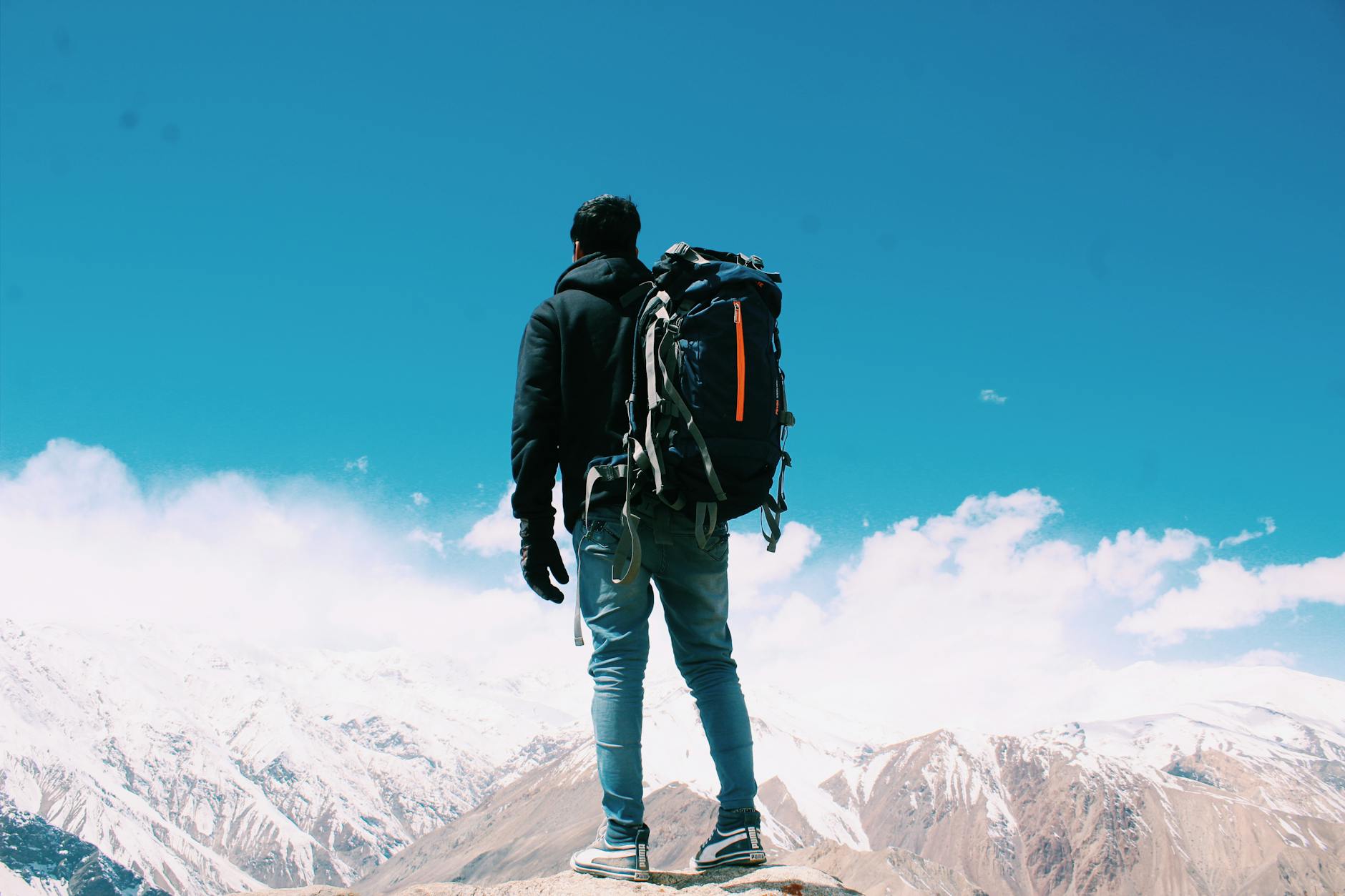
Then there’s the invisible cost. Heavy bags make you slower. You take taxis instead of walking. You skip the free walking tour because your shoulders hurt. You book the closer, pricier hostel because hauling the pack another kilometre sounds unbearable. You leave things behind in hotel rooms because you’re sick of carrying them.
Here’s my counter-intuitive take, and I’ll defend it: the single best packing decision I ever made was buying a smaller bag. Not a lighter one—a smaller one. A 40-litre pack physically cannot hold too much. The constraint does the thinking for you. Every time I’ve upgraded to more space, I’ve filled it. Every time. The bag doesn’t make you a better traveller. It just gives you more rope to hang yourself with.
Top 5 Tips
1. Lay everything out, then remove a third. Do this literally. Put every item on your bed. Now take away one out of every three things. I don’t care what they are. The third pair of trousers goes. The “just in case” formal shirt goes. The second pair of trainers goes. You will not miss them. I’ve done this on 60-plus trips and I have never once wished I’d brought the thing I cut. Not once. The stuff you cut is always the stuff you were packing for a fantasy version of your trip, not the real one.
2. Pack for four days, not for the trip length. A two-week trip and a two-month trip need the same bag. Four days of clothes, one wash cycle, repeat. Hostels have washing machines for 3 to 5 euros. Laundromats in Southeast Asia cost about a dollar. Hand-washing in a sink with a bar of soap works fine and takes ten minutes. If you’re travelling longer than a week, you’re doing laundry anyway—so pack like you’re doing laundry. This one rule cut my bag weight by about 40 percent the first time I tried it.
3. Weigh the bag before you leave the house. Buy a cheap luggage scale—mine was 8 euros on Amazon and has paid for itself fifty times over. Know your airline’s cabin limit and pack to 80 percent of it. That buffer matters because souvenirs, a jacket you buy, or a wet towel will push you over. My rule: if the bag is over 8 kilos, something is wrong and I unpack it again. Most budget airlines allow 7 to 10 kilos in the cabin. Know your number before you get to the gate.
4. Use packing cubes and one colour scheme. Cubes aren’t just organisation—they compress. A medium cube holds a week of t-shirts in the space of three folded ones. And pick a colour scheme: everything goes with black, grey, or navy. Three tops, two bottoms, one layer. That’s nine outfits from six items. Nobody at the hostel cares that you wore the same grey t-shirt on Tuesday and Friday. I promise you, nobody is keeping a spreadsheet.
5. Ask the “buy it there” question for every item. Toiletries, towels, umbrellas, flip-flops, phone chargers, adapters—most of it is cheaper at your destination than the cost of checking a bag. A towel in Vietnam costs 4 dollars. Sunscreen in Thailand is 5. An umbrella in Colombia is 3. If it costs less than 10 euros to buy on arrival, leave it at home. The only things I never compromise on: prescription medication, my passport, and one good pair of walking shoes I’ve already broken in.

Budget Breakdown
Real numbers from my last few trips, in euros, because that’s what my bank account speaks. Your mileage will vary by country, but the ratios hold.
- Checked bag, return, budget airline: 50–90 euros. This is the big one. Avoiding it entirely is the whole game.
- Gate fee for overweight cabin bag: 40–60 euros, one way, and they will charge you. I’ve seen it happen to three people in front of me in one queue.
- Laundry, hostel machine: 3–5 euros per load. Once a week for a long trip, that’s maybe 20 euros a month. Cheaper than one checked bag fee.
- Luggage scale: 8 euros, one-time, lasts years.
- Packing cubes, set of three: 15–20 euros. Mine are six years old and still going.
- Bar of laundry soap: 1–2 euros. Hand-washing kit, basically free.
- Replacing the stuff you mailed home: 45 euros, in my case. Don’t be me.
Add it up. A traveller who checks a bag on a two-week trip pays somewhere around 100 euros in fees alone. A traveller with a 40-litre carry-on pays zero and spends maybe 10 euros on laundry. That’s a 90-euro swing on a single trip—enough for four nights in a decent hostel in most of Eastern Europe, or a week of street food in Bangkok. Over ten trips, that’s a flight.
One Mistake to Avoid
My worst packing mistake wasn’t the weight. It was the “just in case” bag. In 2018 I flew to Patagonia with a small daypack inside my main pack, plus a rain shell, plus a down jacket, plus a spare pair of hiking boots, because I’d read that the weather could turn. It could. It didn’t, not once in ten days. I carried 4 kilos of gear I never touched, up and down trails, and I was slower and more tired than everyone else in my hostel dorm.
The lesson: pack for the trip you’re actually taking, not the trip you’re afraid of. Fear packing is the most common form of overpacking, and it’s the hardest to spot because every item feels responsible. Ask yourself, honestly: have I used this in the last three trips? If the answer is no, it stays home. The weather will be what it is. You’ll survive. And if you truly need the down jacket, you can buy one there for less than the cost of dragging yours across a continent.
So here’s my question for you: what’s the thing you always pack and never use? Be honest with yourself. That item is your German guy with the split backpack. Leave it home next time and see how it feels.
Packing light isn’t about deprivation. It’s about freedom. The lighter you travel, the more you can say yes—to the detour, the extra day, the bus instead of the flight, the unplanned town you’d never heard of. Your bag should be the smallest thing standing between you and the road. Get it down to 8 kilos and you’ll wonder why you ever carried more. The world gets bigger when your bag gets smaller. Go find out.