I’ve hauled a 65-litre backpack up a mountain in Nepal. I’ve dragged a wheeled suitcase across cobblestones in Lisbon. And once — shamefully — I paid a €40 overweight fee at a Ryanair gate in Brussels. That one still stings. Overpacking is the most expensive habit in budget travel. It bleeds you dry through baggage fees, unnecessary taxis, laundry you could’ve skipped, and the pure physical misery of hauling stuff you’ll never touch. After 67 countries, I’ve cracked the code. Here’s how to pack less, spend less, and actually enjoy the walk from the bus station.
Three years ago I was in Chiang Mai, standing in a hostel dorm at 6am. My bag was open on the floor and I was digging for a clean t-shirt. Found four. All dirty. I’d packed 12 shirts for a three-week trip because I convinced myself I’d “need options.” I hadn’t worn half of them. I paid 80 baht (about $2.20) to use the hostel washing machine and realised I could have packed five shirts and done laundry twice for less than one checked bag fee. That morning changed how I travel forever.
Why This Matters
Every extra kilogram has a price tag. Not just the airline fee — the hidden costs. A heavier bag means more taxis because walking 20 minutes with it sounds awful. It means buying a bigger hostel locker. It means skipping the cheap overnight bus because you can’t face hauling it. I once calculated that my overpacked bag cost me an extra $180 over two weeks in Europe. That’s five nights in a decent hostel. Or 15 meals. Or a train ticket across an entire country.
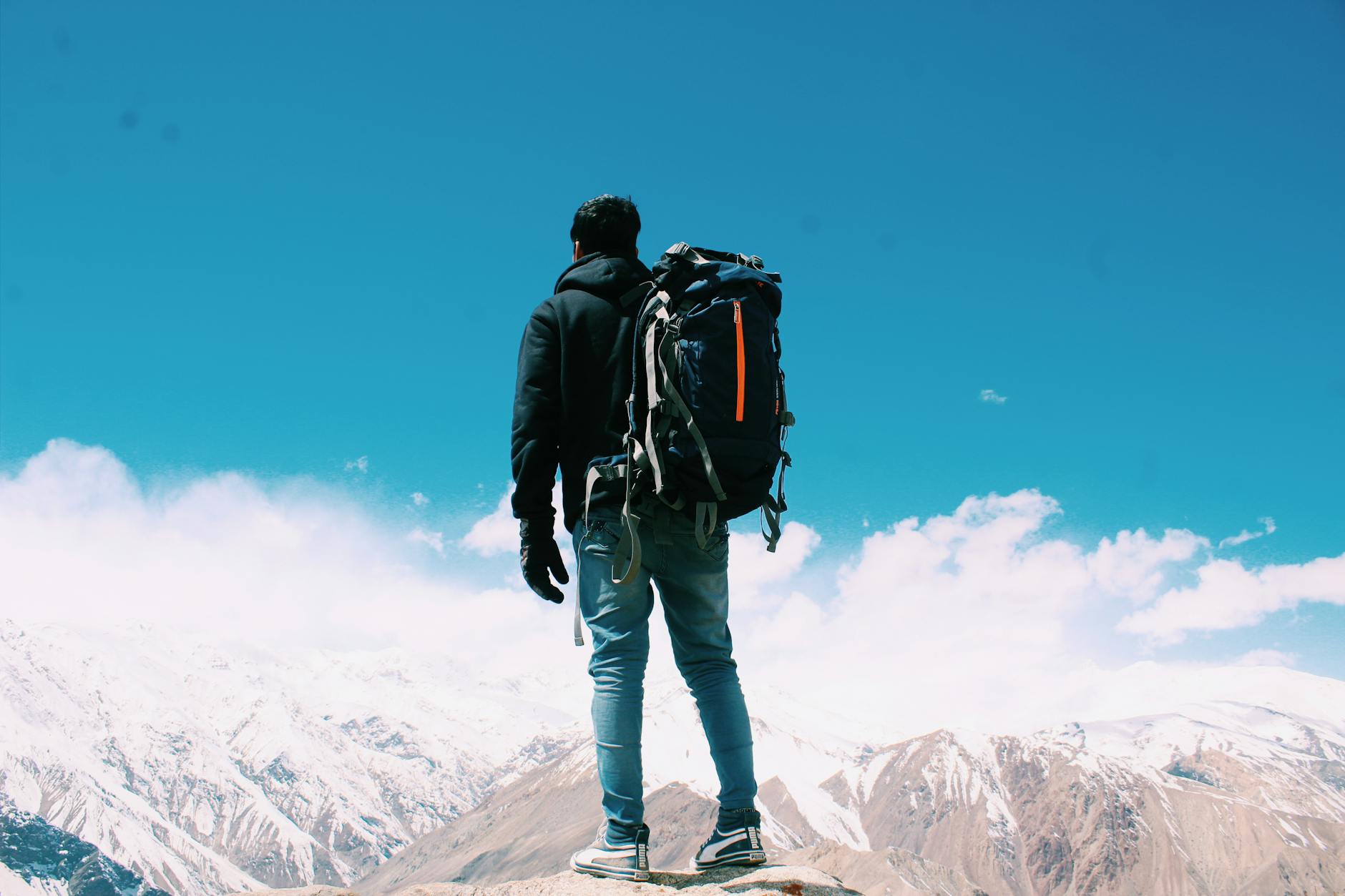
Light packing isn’t about being a martyr. It’s about freedom. When your bag weighs 7kg, you can walk anywhere. You take the metro instead of a taxi. You say yes to a spontaneous detour because you’re not dragging a 20kg anchor. The money you save on baggage fees alone — usually $30 to $60 per flight — adds up fast on a multi-country trip. And here’s the thing: nobody ever finishes a trip wishing they’d brought more stuff. Not once.
Top 5 Tips
1. Do a trial pack 72 hours before you leave. Not the night before. Three days out, lay everything on your bed. Then put half of it back. I’m serious. The clothes you “might need” for a fancy dinner? You won’t go. The extra pair of shoes? Your feet will hate you. The three books? You’ll read one and swap it at a hostel. After the trial pack, carry the bag around your block for 20 minutes. If your shoulders hurt, you’ve failed. Repack lighter.
2. Choose a bag smaller than you think you need. My go-to is a 40-litre carry-on backpack. It fits in every overhead bin, including budget airlines in Southeast Asia and Europe. Buy a 65-litre bag and you will fill it. It’s physics. A 40-litre bag forces discipline. For warmer climates, 30 litres is plenty. Check the carry-on size limits for the strictest airline you’re flying — usually 55 x 40 x 20 cm — and buy a bag that fits those dimensions exactly. No exceptions.
3. Follow the 5-4-3-2-1 rule. My own system, and it works: five tops (t-shirts, tanks), four bottoms (shorts, trousers, skirt), three pairs of socks and underwear, two pairs of shoes (one worn, one packed), one jacket or hoodie. That’s it for clothes. Add a swimsuit if you’re near water. Everything should mix and match — pick one colour palette so nothing clashes. I usually go black, grey, and one accent colour. Nobody at the hostel cares if you wear the same t-shirt three times. They’re wearing the same one too.
4. Weigh your bag before you leave home. Buy a $10 digital luggage scale. Weigh your packed bag. If it’s over 7kg, remove things until it’s under. This single habit has saved me hundreds in overweight fees. Budget airlines like Ryanair, easyJet, and AirAsia are ruthless — they charge €40 to €60 at the gate. A $10 scale pays for itself on the first flight. Weigh it again before your return flight after you’ve bought souvenirs.
5. Embrace laundry as a travel activity. Doing laundry every 10 days isn’t a chore — it’s a budget strategy. A hostel washing machine costs $2 to $5. A laundromat in Southeast Asia costs $1 to $3. A sink wash with travel detergent costs pennies. Pack a 100ml bottle of Dr. Bronner’s soap and a travel clothesline. Wash your underwear and socks in the sink every night. They’ll dry by morning. You can travel indefinitely with five shirts if you’re willing to spend 15 minutes a week on laundry. I’ve done it for three months straight.
Bonus tip that’s actually a rule: Lay out everything you plan to pack. Then remove every item you haven’t used in the past month at home. You don’t need “just in case” gear. You need a phone charger, a toothbrush, and the clothes on your back. Everything else is negotiable.

Budget Breakdown
Let’s talk real numbers. These are prices I’ve paid in the last two years, converted to USD.
- Carry-on backpack (40L): $60 to $120. I use a secondhand Osprey Farpoint I bought for $70 on Facebook Marketplace. It’s been to 23 countries.
- Digital luggage scale: $10. Best $10 I’ve ever spent.
- Travel laundry detergent (100ml): $3. Lasts about 20 washes.
- Travel clothesline: $5. Braided elastic with hooks. Weighs nothing.
- Packing cubes (set of 3): $12. Not essential, but they keep you organised and stop you from overstuffing.
- Checked bag fee (if you ignore all this advice): $30 to $60 per flight. On a 10-flight trip, that’s $300 to $600. That’s a month of hostel beds in Colombia.
- Hostel laundry (per load): $2 to $5. Do it every 10 days. Over a three-month trip, that’s about $30 total.
Total upfront investment to pack light: roughly $90 to $150. Total savings on a typical multi-flight trip: $300 to $600 in baggage fees alone, plus another $100 to $200 in taxis and lockers you won’t need. The math isn’t close.
One Mistake to Avoid
Do not pack for the trip you wish you were taking. Pack for the trip you’re actually taking.
In 2019 I flew to Iceland in October. I packed hiking boots, a heavy rain jacket, thermal layers, a wool sweater, and a DSLR with two lenses. I was going to hike glaciers and photograph waterfalls. Except I got food poisoning on day two, spent three days in a Reykjavik hostel bed, and then the weather turned so bad all my hikes got cancelled. I carried 14kg of gear I barely used. The camera stayed in my bag. The boots gave me blisters. I could have packed a light jacket, trail runners, and my phone. That’s it.
The lesson: check the actual weather forecast for your exact dates, not the seasonal average. Read recent hostel reviews to see what other travellers actually wore. And ask yourself honestly: will I really do that glacier hike, or will I be hungover and eat pastries instead? Be honest. Pack for the hungover pastry version of yourself.
Another version of this mistake: packing for a fantasy trip where you wake up at 5am, journal every day, wear linen shirts, and read three novels. You won’t. You’ll scroll your phone, wear the same t-shirt, and buy a book from a street vendor. Pack for that person.
What’s the one item you always pack and never use? Be honest with yourself. For me, it’s a rain jacket. I’ve carried one on six trips and worn it twice. Now I just get wet and buy a $3 poncho if it rains. Lighter, cheaper, and I don’t care if I lose it.
Closing Inspiration
Here’s the counter-intuitive truth: the less you carry, the more you experience. When your bag is light, you say yes to the detour. You take the local bus instead of the tourist shuttle. You walk to the viewpoint instead of paying for the cable car. You stay an extra week because you didn’t blow your budget on baggage fees and taxis.
I’ve met travellers carrying 25kg who spent their whole trip stressed, tired, and broke. I’ve met travellers carrying 6kg who were the happiest people in the hostel. The difference wasn’t money. It was stuff.
So before your next trip, do the trial pack. Weigh the bag. Put half of it back. Then walk out the door with a bag you can carry for hours without thinking about it. That’s the real budget travel secret. Not the cheapest hostel or the best street food hack. Just a lighter bag and the freedom that comes with it.
Now go book that flight. Your shoulders will thank you.