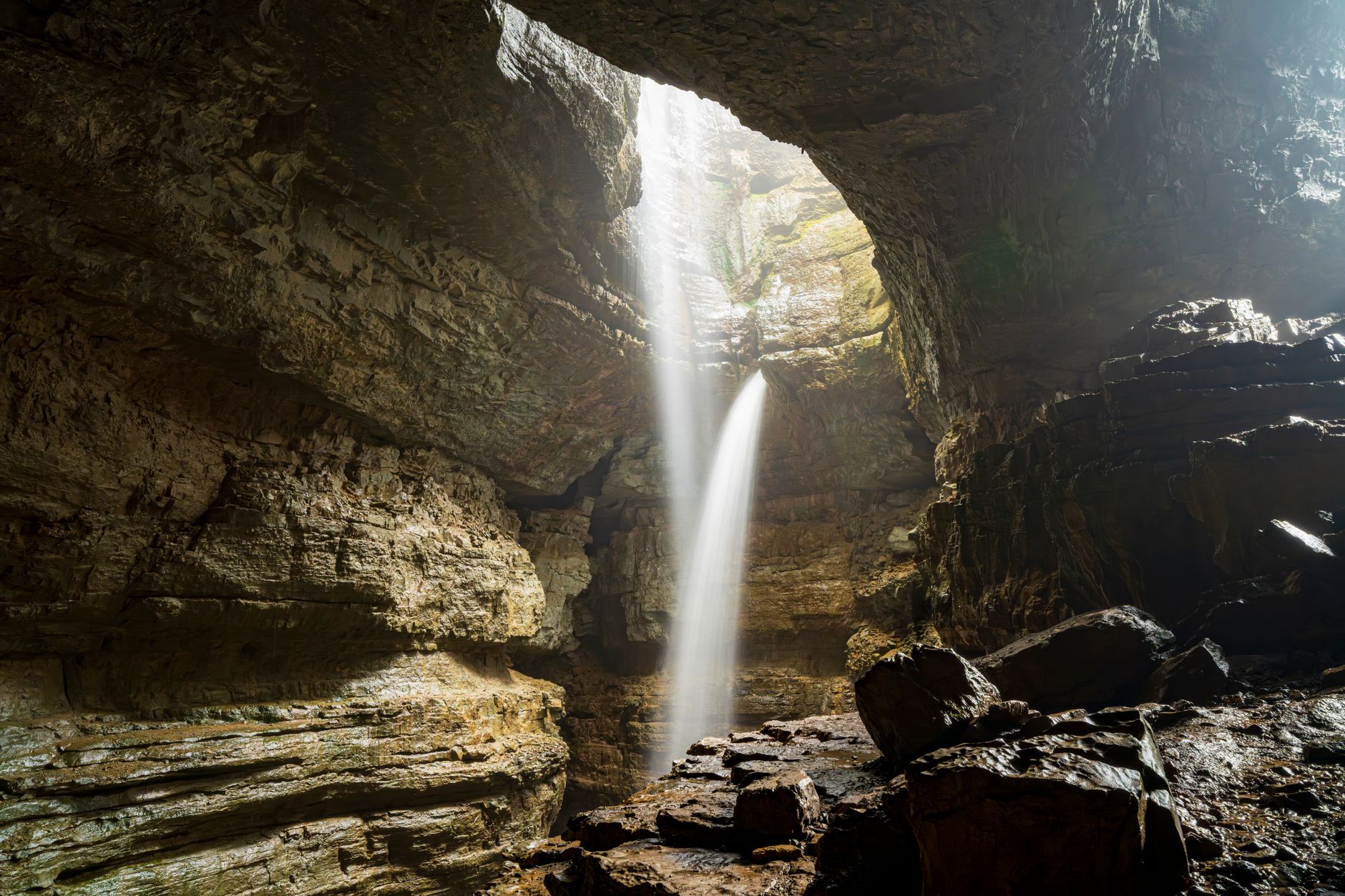
Hidden Gems in Portugal: The Alentejo Coast on 30 Euros a Day
I remember the exact moment Portugal stopped being postcards and became a punch to the chest. It was a Tuesday in late September, and I’d just stumbled off a rickety bus in a village called Porto Covo, south of Lisbon, with no reservation and a backpack full of damp laundry. The sun was dropping like a hot coin into the Atlantic, and the cliffs—rust-red, raw, jagged—glowed like embers. I ate a can of sardines on a concrete bench overlooking empty beaches that would cost a fortune in the Algarve. A stray dog sat next to me, unbothered. I thought, *this is it. This is the secret.* I’ve been chasing that feeling across 67 countries, but Portugal’s Alentejo coast keeps pulling me back. You want hidden gems? Skip the crowds in Cascais and Lagos. Head south of the Sado River, where the roads are dirt, the wine is 2 euros, and the only sound is the ocean chewing on limestone.
Why This Matters
Most budget travellers hit Lisbon, eat a pastel de nata, ride tram 28, and call it a day. Then they flee to the Algarve because that’s what Instagram tells them to do. That’s a mistake, and it’s costing you real money and real magic. The Alentejo coast—a 150-kilometer stretch from Sines down to Sagres—offers the same dramatic cliffs, better surf, and a fraction of the tourists. But more than that, it’s about how you travel. I’ve learned that hidden gems aren’t just pretty places; they’re places where your euro goes further, where the locals actually talk to you, and where you can still hear yourself think. Why does this matter? Because travel is getting more expensive everywhere, and Portugal’s hotspots have become little more than pricey theme parks. The Alentejo is the counter-move. It’s where you can afford to slow down, stay a week instead of a night, and actually live like a local—if only for a few days. That’s worth more than any five-star view you’ll share with fifty strangers. Have you ever sat on a beach and realised you’re the only human within a mile? That’s the real luxury, and it costs nothing. Here’s my counter-intuitive take: the most touristy thing you can do in Portugal is follow the crowd to the famous spots. The real adventure starts when you get bored of the checklist.
Top 5 Tips
1. **Base yourself in Vila Nova de Milfontes, not Porto Covo.** I know, I just romanticised Porto Covo, but Milfontes is the practical sweet spot. It has a real supermarket, a bus station with connections to Lisbon (3 hours, 12 euros), and a river beach that’s safe for swimming when the ocean is too rough. Rent a bike for 10 euros a day and pedal south along the Fishermen’s Trail—you’ll hit hidden coves that no tour bus can reach. Stay at the *Alentejo Hostel* for 18 euros a night, including breakfast. Do not pay more than 25 for a dorm anywhere on this coast.
2. **Eat at the local *tasca* at 1:30 PM, not 8 PM.** The Portuguese eat lunch as their main meal, and the daily special (*prato do dia*) is your budget goldmine. In Milfontes, find *O Marinheiro*—a no-frills joint near the port. For 8.50 euros, you get grilled fish, boiled potatoes, a salad, bread, and a small glass of vinho verde. The same dish at dinner costs 14 euros. Ask for the *couvert* to be removed if you don’t want the olives and cheese—they charge 1.50 per item, and they won’t be offended. That’s the difference between a 10-euro meal and a 15-euro one.
3. **Walk the Fishermen’s Trail in sections, not all at once.** The full 220-kilometre hike from Sines to Cabo de São Vicente is brutal in summer heat. Instead, do the best two-day stretch: from Milfontes to Almograve (12 kilometres, easy, cliff-top views) and then Almograve to Zambujeira do Mar (14 kilometres, slightly harder, but you’ll pass the *Praia das Furnas*—a natural rock pool that feels like a secret spa). Carry 2 litres of water each day. There are no fountains on the trail. I learned that the hard way with a headache that lasted three hours.
4. **Use the *Rede Expressos* bus, not the train.** The train line stops at Sines, which is an industrial port town—nothing worth seeing. The bus network along the coast is better and cheaper. From Lisbon’s Sete Rios station, take the 10:00 AM bus to Milfontes (12 euros, book online the day before). From Milfontes, local buses to Zambujeira or Odeceixe run twice daily in low season, but the schedules are written in chalk on a board at the station. Take a photo of it. Miss the last bus, and you’re looking at a 25-euro taxi ride. Or hitchhiking—which works fine, but I’ll get to that mistake later.
5. **Buy your wine from the *adega* (wine cellar), not the supermarket.** In the village of São Luís, 15 minutes inland from Milfontes, there’s a family-run winery called *Herdade do Malhadinha Nova*—but don’t go there (fancy, expensive). Instead, look for the unmarked garage near the village church where a retired farmer sells his own red wine in reused water bottles for 1.50 euros a litre. It’s cloudy, it’s young, and it’s the best damn wine I’ve had in Portugal. He doesn’t speak English, so just point and hold up two fingers. That’s the real hidden gem—not a tasting room with a sommelier.
Budget Breakdown
Here’s what I actually spent over four days on the Alentejo coast in late September 2024, in euros. I’ll convert to US dollars in brackets because I know most of you think in dollars. All prices are real, from my notebook.
– **Bus from Lisbon (Sete Rios) to Milfontes:** 12 euros ($13). Booked the day before online. There’s a 50-cent surcharge for booking at the counter, so use the app.
– **Hostel *Alentejo Hostel*, Milfontes, 4 nights:** 18 euros per night x 4 = 72 euros ($78). Includes a basic breakfast—bread, jam, coffee, and sometimes scrambled eggs if the owner is feeling generous.
– **Food (lunches and dinners):** 8.50 euros for the daily special at lunch, 6 euros for a salad and bread at dinner (I skipped the main course at night). One splurge: grilled octopus at a beach shack in Zambujeira for 14 euros ($15). Total food: 37 euros ($40).
– **Wine from the farmer:** 3 euros for two litres ($3.25). Yes, really.
– **Bike rental for two days:** 20 euros ($22) from a surf shop near the Milfontes bridge. Ask for a discount if you rent for more than one day—they usually knock off 5 euros.
– **Bus from Milfontes to Zambujeira do Mar (one-way):** 3.50 euros ($3.80). Takes 45 minutes, runs twice a day.
– **Miscellaneous (water, snacks, one ice cream):** 9 euros ($10).
– **Total for 4 nights:** 154.50 euros ($167). That works out to about 38.60 euros per day ($42). I had budgeted 30 euros a day, and I blew it slightly because of the octopus and the bike. But if you skip the octopus and walk instead of riding, you can hit 30 euros a day flat. Honestly, the bike was worth it—I found a cove near Praia do Brejo Largo that I’d never have reached on foot. So call it 35 euros a day for comfort, and you’ll still be under what you’d pay for one night in a Lisbon hotel.
One Mistake to Avoid
I almost died—okay, that’s dramatic, but I got genuinely scared—on the second day of my walk. I’d read that the Fishermen’s Trail was well-marked, and it is, mostly. But between Praia das Furnas and the lighthouse at Cabo Sardão, the path disappears. It just vanishes into a field of low, spiky shrubs that scrape your shins, and the only marker is a small cairn (stack of stones) every 200 metres. I missed two of them because I was looking at my phone instead of the ground. I ended up on a cliff edge with a 40-metre drop to the ocean, no path forward, and the sun starting to sink. My mistake? I trusted a single source—a blog post—and didn’t download the official trail map offline. The lesson: always download the *Trilho dos Pescadores* GPX file from the official Portuguese tourism site before you go. It’s free, and it works offline. Also, tell someone at your hostel which route you’re taking and what time you expect to be back. The owner of my hostel called me at 7 PM, worried, and I had to sheepishly admit I was lost on a cliff. He drove 20 minutes to pick me up at a dirt road, and I bought him a beer as thanks. Don’t be me. Be the person with the offline map.
Closing Inspiration
Look, I’ve been to 67 countries. I’ve seen the Taj Mahal at sunrise, walked the salt flats of Bolivia, and slept in a yurt in Kyrgyzstan. But the Alentejo coast is the place I tell people to go when they ask for a secret. It’s not because the beaches are the most beautiful—they’re stunning, but so are a hundred others. It’s because there’s no performance there. No one is trying to sell you an experience. The farmer sells you wine because he made too much. The hostel owner picks you up because he’s a decent human. The ocean crashes against the cliffs because it’s been doing that for millions of years, and it doesn’t care if you’re watching. That’s the real hidden gem: a place that doesn’t need you to validate it. And that, my friend, is exactly why you should go. Pack light, bring cash, and trust the dirt roads. They know the way better than your GPS ever will.