The ATM in Tbilisi swallowed my card at 7am and spat out a receipt for 0.00 lari. I had €14 in my pocket, a hostel bed already paid for three nights, and a bus ticket to Yerevan I couldn’t afford. That morning taught me more about earning on the road than any blog post I’d read before it. I sat on a cracked plastic chair outside the bank, ate a stale khachapuri, and started messaging every English school, hostel owner, and tour operator whose number I’d collected the week before. By noon I had a gig teaching conversation classes three evenings a week. By the end of the month I’d earned more than my original flight cost. Travel money doesn’t fall from the sky. You build it, often from the scraps already around you.
The first paid gig I ever landed on the road was in 2016, in a hostel in Antigua, Guatemala. The owner was drowning in unanswered booking emails and a broken website, and I offered to fix both for two weeks of free dorm beds. He said yes in about four seconds. I spent maybe ten hours total on the job. That translated to roughly $140 in saved accommodation, which felt absurd at the time. What I didn’t realise then was that I’d just discovered the single most reliable income stream a long-term traveller has: solving a problem the person in front of you already has, and getting paid in the currency they actually hold.
Why This Matters
Most people treat travel as a pure expense. You save for two years, burn the savings in six weeks, come home broke, repeat. That cycle keeps long-term travel locked away for the wealthy or the reckless. Learning to earn on the road breaks it open.
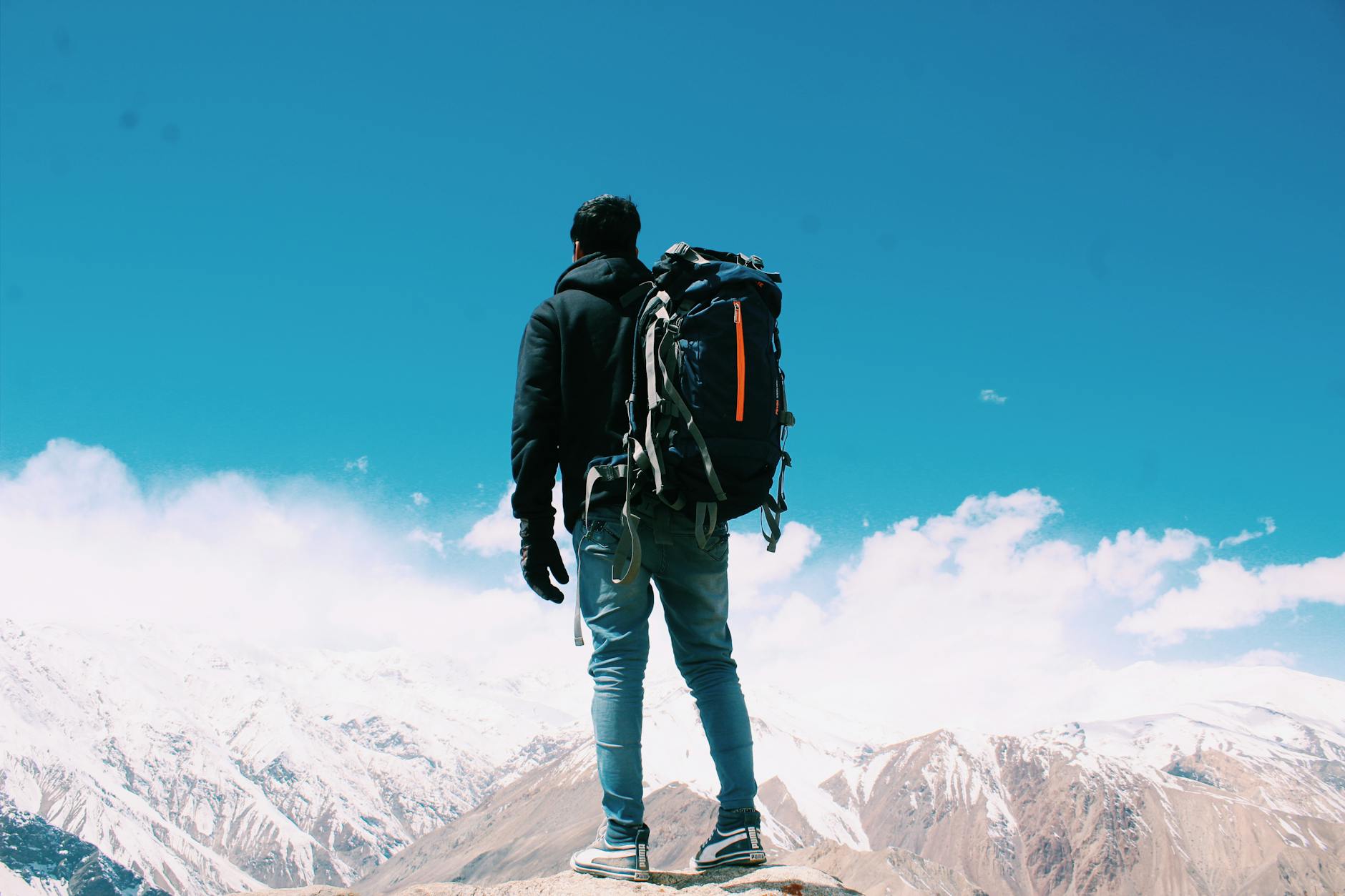
Here’s the counter-intuitive part: earning while travelling usually makes the trip better, not worse. My worst travel memories are the aimless afternoons in cheap hostels waiting for something to happen. The weeks I had a small gig running — a few English lessons, a website fix, a paid photo set for a guesthouse — those weeks had shape. I met locals I’d never have spoken to. I stayed longer in places I’d have rushed through. The money was almost a side effect.
And the numbers matter. Even €400 a month changes everything in Southeast Asia, the Balkans, or the Caucasus. It’s the difference between counting every bus fare and actually saying yes when someone invites you to a village wedding three hours away. You don’t need to replace a full salary. You need a floor under your feet so the trip doesn’t end early because of a broken phone or a surprise visa fee.
One more thing people miss: skills compound. The first gig takes weeks to find. The fifth takes a day, because by then you know which hostels pay, which websites are scams, and how to price yourself without underselling. The traveller who’s been earning for a year is in a completely different position from the one starting out.
Top 5 Tips
- Start with the people already around you. Your hostel owner, your Airbnb host, the café owner who sees you every morning — they have problems you can solve. Broken Wi-Fi pages, bad English on menus, no Instagram presence, no booking system. Walk up, be specific, offer a small paid fix. I’ve earned money this way in Tbilisi, Medellín, and a tiny town in northern Albania. The trick is being concrete: not “I can help with marketing” but “I can rewrite your booking page in English this week for €60.”
- Teach your own language, properly. Online platforms like italki and Preply have thousands of students looking for native speakers. You don’t need a teaching certificate to start — many students want conversation practice, not grammar drills. Charge $12–20 an hour, keep your calendar in one time zone, and you can book classes around your travel days. Two hours a day, five days a week, is roughly $500 a month. I know travellers who fund entire years this way.
- Sell a skill, not your time, wherever possible. A one-off website build, a batch of product photos, a set of translated menus — these pay better per hour than hourly work because you’re selling the result. Build a tiny portfolio on your phone: three examples of work you’ve done, even free ones. When someone asks what you do, show them, don’t tell them. I keep a folder of ten photos and two sample pages ready to send in thirty seconds.
- Take the unglamorous gigs. Fruit picking in Australia, hostel cleaning in exchange for a bed plus a small wage, English camp counselling in Eastern Europe, harvest work in Portugal. None of these are Instagram material. All of them pay. The working holiday visa schemes in Australia, New Zealand, and Canada are genuinely generous if you’re under the age cutoff — look them up before you assume you’re ineligible.
- Build a slow, boring income stream alongside the fast ones. Freelance writing, a niche YouTube channel, stock photography, a small digital product. None of these pay well in month one. By month twelve, one of them might cover your entire budget. I started writing travel guides for a small site in 2018 for €40 an article. Two years later that same site was paying me €250 a piece because I’d become reliable. Reliability is the rarest currency in freelance travel work.

Budget Breakdown
Here’s what a realistic month of earning-and-travelling looks like, priced in euros because that’s what I think in. I’ll use a mid-range destination — Georgia, where I spent most of last spring — as the example. Your numbers will move depending on where you are, but the shape stays the same.
- Accommodation: €180–280 for a private room in a guesthouse, or €90–140 for a dorm bed. I usually split the difference with a mix.
- Food: €150–220 if you cook breakfast and eat one meal out. Georgia is cheap; substitute your own country’s numbers.
- Transport: €60–120 for local buses, marshrutkas, and the occasional train. Flights between countries are separate and can wreck a budget fast — book them months out or take the bus.
- Phone and data: €10–15 for a local SIM. Always buy local. Roaming will eat you alive.
- Buffer for surprises: €80–150. This is not optional. The ATM will break. The visa will cost more than advertised. The phone will crack.
That’s roughly €480–785 in monthly costs. Now the earning side, based on what I’ve actually pulled in during decent months:
- English conversation classes: €300–500 from 10–15 hours a week online.
- Website or content fixes for local businesses: €100–300, usually two or three small jobs.
- One-off photography or writing gig: €100–250 depending on the client.
- Hostel work exchange: saves €90–140 on accommodation, sometimes pays a small stipend too.
Add it up and a working month covers the bills with a little left over. A bad month covers half. That’s the realistic picture — not the fantasy of earning six figures from a beach, but a genuine floor under your feet. The point isn’t to get rich. The point is to keep going.
One Mistake to Avoid
I once took a “paid” content gig from a hostel in Colombia that promised €400 on completion. I wrote twelve blog posts over two weeks. When I sent the invoice, the owner ghosted me. Then blocked me. Then had his manager tell me the posts “weren’t what we discussed.” I had no contract, no deposit, and no leverage. I’d been so excited about the money that I skipped every basic protection I’d normally insist on.
The lesson cost me two weeks of work and a chunk of pride. Now I take 50% upfront, always, no exceptions. For small jobs I use a simple one-page agreement — scope, price, payment dates, what happens if either side walks. It takes ten minutes to write and it has saved me from three near-misses since. If a client refuses a deposit, that’s your answer. Walk away. The gig that needs you will pay a deposit without blinking. The gig that won’t was never going to pay you at all.
One more small version of the same mistake: don’t accept “exposure” or “a free stay” as payment for serious work unless the stay is genuinely worth the hours. A free dorm bed is worth about €10 a night. If the job takes twenty hours, you’re earning fifty cents an hour. Do the maths before you say yes.
So here’s the thing I keep coming back to. You don’t need a trust fund, a remote tech job, or a lottery win to travel long-term. You need one skill someone nearby will pay for, one boring income stream that builds slowly, and the willingness to knock on doors that don’t look like doors. The first gig is the hardest. After that it’s just repetition. Where are you right now — what’s the one thing in your bag or your head that someone within walking distance would pay for this week? Go find out. The answer is usually closer than you think, and it’s often sitting behind a cracked plastic chair outside a bank that just ate your card.