The driver killed the engine at a border post somewhere between Huay Xai and Luang Prabang. The silence that followed was almost violent. Twenty-two hours in, my knees had locked into a shape that no longer resembled legs, and the woman next to me was asleep on a bag of rice. Eleven dollars. That’s what I’d paid for the seat. Eleven dollars for a journey that would break most people. But here’s the thing about long bus rides across Asia, Africa, and Latin America: they’re the cheapest education in the world. I’ve taken hundreds. Patience, packing, human nature—overnight coaches taught me more than any airport lounge ever did.
My worst one was a “VIP” sleeper from Phnom Penh to Pakse. VIP meant a mattress the thickness of a paperback and a toilet that quit before midnight. Around 3 a.m. I woke to the bus listing hard to one side while the driver changed a tire by flashlight. A French guy next to me calmly offered a swig of rice whiskey. We rolled in seven hours late. I still think about that whiskey.
Why This Matters
Long-distance buses are the backbone of budget travel, and most guides skip straight past them because they’re unglamorous. Skipping a $12 bus for a $90 flight is often the difference between a two-week trip and a five-week trip. On my 2017 run through Southeast Asia, buses cut my transport costs by roughly 70 percent compared to flying. That bought me an extra eleven days on the road for the same money. Not a rounding error. A whole extra country.
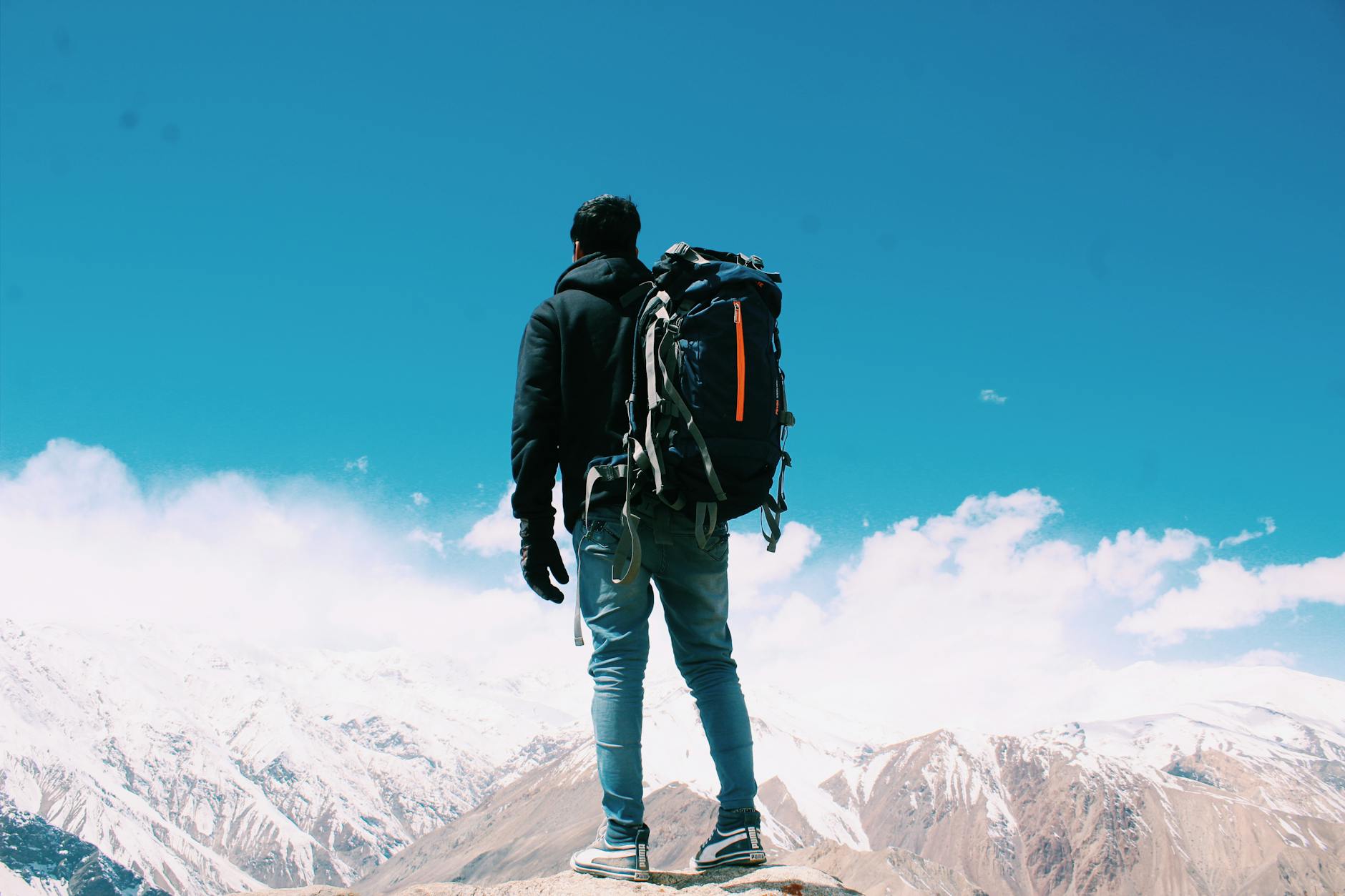
There’s also the view. Flights compress the world into a rectangle at 35,000 feet. Buses let you watch a country unspool—roadside noodle stalls, kids waving at the wheels, mountains that appear without warning. I once watched a thunderstorm roll across the Bolaven Plateau from a bus window. Better than any paid tour. You’re not just saving money. You’re buying a slower, richer version of the trip.
Surviving these rides takes a system. Skip it and you’ll arrive wrecked, sick, or robbed. Here’s what actually works, tested across 67 countries and far too many sleepless nights.
Top 5 Tips
1. Book the seat, not just the ticket. On most Asian and Latin American buses, seat position is everything. Avoid the back row—wheel arches eat your legroom—and avoid the front row if the driver’s got a stereo and a death wish. The sweet spot is usually rows two through four on the window side. On sleeper buses, ask for a lower berth; upper bunks swing and you’ll feel every pothole. If the ticket office won’t let you choose, arrive early and negotiate with the conductor. A two-dollar tip has moved me to a better bunk more times than I can count.
2. Pack a bus kit, not a suitcase. The bag that goes under the bus is a gamble. The bag at your feet is your survival. Mine is a small daypack: sleep mask, earplugs, refillable water bottle, wet wipes, power bank, light fleece, ziplock of snacks. That’s it. Everything else gets checked. If the bus is late—and it will be—you want to be comfortable without digging through your main luggage in the dark. I learned this after spending forty minutes on a Colombian roadside hunting for my passport in a bag the driver had already thrown in the hold.
3. Eat light and drink less than you think. Bus toilets are a lottery. Some are fine. Some are a hole with a curtain and a smell that follows you. Eat a proper meal before boarding, then keep snacks light—bananas, crackers, nuts. Drink water steadily but don’t chug. On a 20-hour ride I aim for maybe a liter and a half, sipping rather than gulping. Sounds like small advice. It has saved me more discomfort than any other tip on this list. If you’re prone to motion sickness, take something an hour before departure, not after you feel bad.
4. Guard your stuff like it’s your job. Overnight buses are prime territory for petty theft, especially at stations where people board and mingle. Keep your passport, phone, and cash in a money belt or neck pouch under your shirt. Sleep with your daypack as a pillow or loop its strap around your arm. Don’t leave anything in the overhead rack you’d cry about losing. And watch your bag at every stop—drivers sometimes unload bags at the wrong town, and arguing about it at 2 a.m. in a language you don’t speak is a losing game.
5. Build in a buffer day. The single most useful habit I’ve developed: never schedule anything important within twelve hours of a long bus arriving. Buses run late. Borders close. Roads wash out. I once planned to catch a ferry two hours after a bus was due into a Peruvian port. The bus arrived six hours late and I watched the boat leave without me. Now I book the next day, no exceptions. The buffer costs you a night’s accommodation. It saves you the panic and the expensive rebooking.
Here’s the short version if you’re skimming:
- Choose a mid-row window seat or a lower bunk; tip the conductor if you must.
- Keep a small bus kit at your feet with sleep mask, earplugs, water, snacks, and power bank.
- Eat before boarding and sip water rather than drinking heavily.
- Wear a money belt and sleep with your daypack strapped to you.
- Never book onward travel within twelve hours of arrival.

Budget Breakdown
Real numbers, from my own notebooks, converted to US dollars. Your prices will vary by country and season. This is the ballpark I plan around.
The ticket itself. Overnight buses in Southeast Asia typically run $10–$25. In Latin America, expect $15–$40 for long hauls. In parts of Africa, $8–$20. Compare that to a short-haul flight at $60–$150 and the math gets obvious fast. Over a six-week trip with, say, fifteen long rides, buses might cost you $250 total versus $1,200 or more flying.
The bus kit. One-time spend, maybe $35–$50 for a decent sleep mask, earplugs, power bank, and refillable bottle. If you already own half of it, you’re ahead. I’ve replaced my power bank twice in nine years, so call it $8 a year amortized.
Food and water. Budget $5–$8 per long ride for snacks and drinks bought at stations. Station food is usually marked up; buy at a local shop before you arrive. A bag of fruit and a pack of crackers runs $2 in most places I’ve traveled.
The hidden costs. This is where people get caught. Extra night’s accommodation for the buffer day: $10–$30. Occasional taxi to a station at an ungodly hour: $3–$10. A replacement phone charger when yours dies: $5. A bribe-free border “fee” that isn’t official: avoid it, but budget $2–$5 for genuine visa-on-arrival stamps.
Total per long ride, all-in: roughly $25–$45 including food, buffer night, and incidentals. Still less than half a typical flight, and you get the view.
One Mistake to Avoid
My biggest bus mistake wasn’t a theft or a missed connection. It was assuming the ticket meant what it said. In northern Vietnam, I bought a “direct” overnight bus from Hanoi to Ha Giang. Direct, it turned out, meant the driver stopped at every village, picked up chickens, and dropped me in a town forty kilometers from my destination at 4 a.m. in the rain. No one spoke English. I’d budgeted zero for an onward taxi and had to wait three hours for a local minibus.
The lesson: always confirm the actual destination and arrival time with someone who isn’t selling you the ticket. Ask at your hostel. Ask a local. Ask two people. “Direct” is a marketing word, not a promise. Since then I’ve made a habit of screenshotting the route on a map and showing it to the driver before boarding. Half the time it saves confusion; the other half it just confirms the chaos. Either way, I’m not surprised anymore.
Long bus rides aren’t something to endure. They’re the trip. The discomfort fades—I promise you won’t remember the numb legs in a year—but the roadside dawns, the strangers who share their food, the absurd conversations at border posts, those stick. So buy the cheap ticket. Pack light. Build in the buffer. And when the driver kills the engine at some nowhere stop and the silence hits, roll with it. You’re exactly where you should be. What’s the longest bus ride you’ve ever taken—and would you do it again?