The smell hits you before the heat does: fish sauce, diesel, jasmine, something sweet frying in oil, all of it baking on asphalt that’s been in the sun since 6am. I stood on a corner in Hanoi’s Old Quarter with a 40-litre pack, 11 kilos of everything I owned, and about $23 a day to live on. That was 2016. I’ve been back to the region maybe a dozen times since, and I still get that jolt walking out of an airport. Southeast Asia is the best place on earth to learn how to travel cheap. Not because it’s “easy,” but because every mistake costs about $2 and teaches you something you’ll use for the next decade. Cheap travel here isn’t about deprivation. It’s about knowing where the money actually goes.
My first real lesson came in Laos. I’d splurged on a “VIP” sleeper bus from Vientiane to Luang Prabang, paid triple the local fare, and spent 11 hours folded into a seat that reclined about four degrees while a chicken crate rattled somewhere behind me. An Australian guy across the aisle had paid a third of that. He was eating sticky rice out of a banana leaf, perfectly happy. Buy the local bus, he told me. Bring your own food. Treat the extra hours as the price of the story. I’ve done it that way ever since. That $18 “saving” cost me a night’s sleep and bought me a decade of smarter decisions.
Why This Matters
Nobody tells you this about budget travel: it isn’t a compromise, it’s a skill. The people who spend $1,200 a month in Thailand and the people who spend $400 are often having the same experience. The difference is information. Flights, guesthouses, transport, and food all have a local price and a tourist price, and the gap between them is your entire budget. Close that gap and you can travel for three months instead of three weeks on the same money.
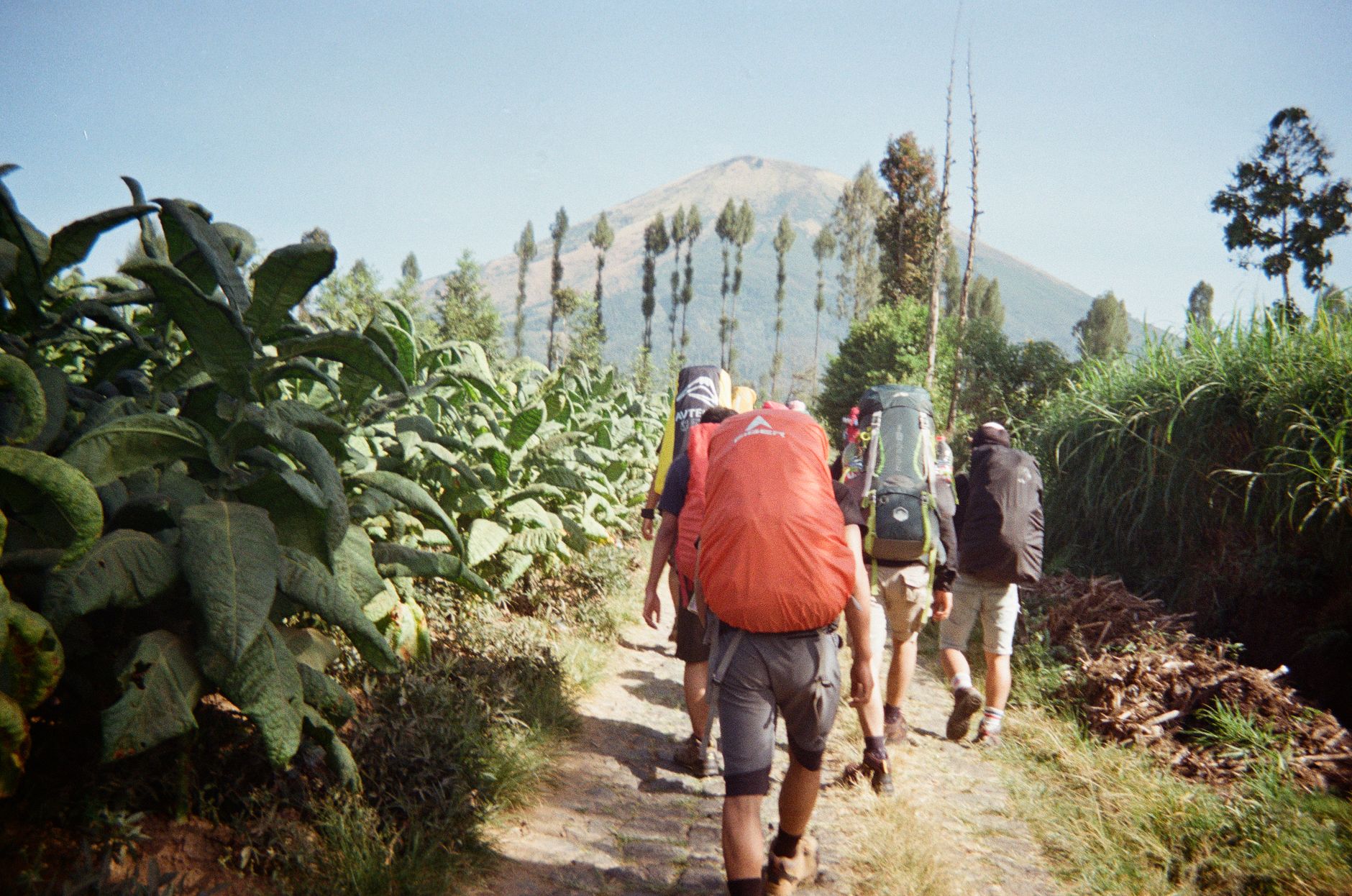
Southeast Asia is the perfect classroom for it. Visas are mostly cheap or free on arrival, English is workable almost everywhere, and the tourist infrastructure is thick enough that you’re never truly stuck. You can be reckless here in a way you can’t be in, say, Norway. Screw up your bus booking in Laos and you lose a day. Screw up in Oslo and you lose $300. So make your mistakes here. Get them out of your system while the tuition is low.
Top 5 Tips
1. Book your first two nights and nothing else. I used to over-plan. Now I book a cheap guesthouse for the first two nights in a new city and figure out the rest on the ground. Prices are almost always better in person, and more importantly, you meet people who tell you where the good stuff is. The best guesthouse I’ve stayed at in Southeast Asia, a $7-a-night spot in Kampot, Cambodia, wasn’t on any booking site. A German guy on a bus told me about it.
2. Eat where the scooters are parked. Street food in Thailand, Vietnam, and Malaysia is often better than restaurant food, and a bowl of pho or a plate of pad thai runs $1.50 to $3. Look for a stall with a crowd of locals, a short menu, and high turnover. If the meat’s been sitting out, walk. If they’re cooking it in front of you, sit down. I’ve eaten maybe 400 street meals across the region and gotten properly sick twice, both times from a sit-down restaurant that looked clean.
3. Take the local bus, not the tourist bus. Tourist buses cost two to four times more and are usually slower because they stop at commission shops. Local buses are cramped, stop constantly, and are the best people-watching you’ll ever do. In Vietnam, a local sleeper bus from Hue to Hoi An cost me about $6 versus $18 for the tourist version. Bring snacks, bring water, bring a jacket because the AC is either off or arctic.
4. Get a local SIM on day one. A tourist SIM in Thailand or Vietnam costs $5 to $10 for a month of data. That’s the single best purchase you’ll make. Grab, Gojek, and local map apps work offline once you’ve loaded the area, and you stop getting ripped off on taxis immediately. I once paid $15 for a “taxi” from a Bangkok airport before I had data. The same ride on Grab would have been $4.
5. Slow down. This is the one that actually saves the most money. Every time you move cities you pay for transport, you pay tourist prices for a night or two while you get oriented, and you waste a day in transit. Staying five nights somewhere instead of two cuts your daily average by 20-30% and makes the trip better. I spent three weeks in Chiang Mai once and my daily spend dropped to $18 because I found the cheap noodle shop, the $1 coffee stand, and the guesthouse that gave me a weekly rate.
Budget Breakdown
These are real numbers from my last long trip, roughly four months across Thailand, Vietnam, Laos, and Cambodia, all in US dollars. Your mileage will vary with the exchange rate, but the shape of it holds.
- Accommodation: $6–12 a night for a private room with a fan in a guesthouse, $4–8 for a dorm. Air-con rooms run $12–20. Book weekly for a discount.
- Food: $8–12 a day eating street food and local restaurants. A sit-down tourist meal costs 3–4 times a street meal, which is why I mostly skip them.
- Transport: $4–8 for a local long-distance bus, $10–25 for a short domestic flight if you book a budget airline a week out. Grab rides in cities: $1–3.
- Visas and admin: $0–35 per country depending on your passport. Budget $60 for the whole trip and keep a photocopy of your passport somewhere separate.
- Everything else: $5–10 a day for museums, temples, a beer, laundry, and the occasional splurge.
Add it up and I averaged $31 a day, or about $3,700 for four months including flights from Europe. You can do it for less. You can also spend triple that and not have a better time. The number that matters isn’t your daily budget, it’s how many days you get for your money. So ask yourself: do you want one perfect week or three messy months?
One Mistake to Avoid
The worst thing I ever did was carry too much cash and no backup. In 2017 I got off a boat in southern Thailand with about $400 in baht in my money belt and a debit card I hadn’t told my bank I was travelling with. The card got blocked on day two. The nearest ATM that took my card was a $12 taxi away, and I spent three days eating 7-Eleven toasties and skipping anything that cost more than a dollar. It wasn’t a disaster. It was stupid, and it was entirely avoidable.
Here’s the counter-intuitive part, and I’ll die on this hill: you should carry more cash than you think, not less. Everyone tells you to rely on cards. In much of Laos, Cambodia, and rural Vietnam, cards simply don’t work, and the ATMs that do charge $4–6 per withdrawal plus a bad exchange rate. Withdraw a big chunk at once, keep it split between two bags, and treat your card as the backup, not the primary. Also: tell your bank you’re travelling, carry a second card from a different account, and photograph every important document. The $200 you keep hidden in your sock is not paranoia. It’s the difference between a bad day and a ruined trip.
You don’t need a lot to do this. A pack that fits, a phone with data, and the willingness to be a little uncomfortable for a while. The first week is the hardest, because you’re paying tourist prices and getting lost and wondering why everyone else seems to know something you don’t. By week three you’ll be the one eating sticky rice out of a banana leaf and telling some nervous new arrival which bus to take. Book the flight. Take the local bus. Eat where the scooters are parked. The region will teach you the rest, and it’ll cost you less than you think. Go.