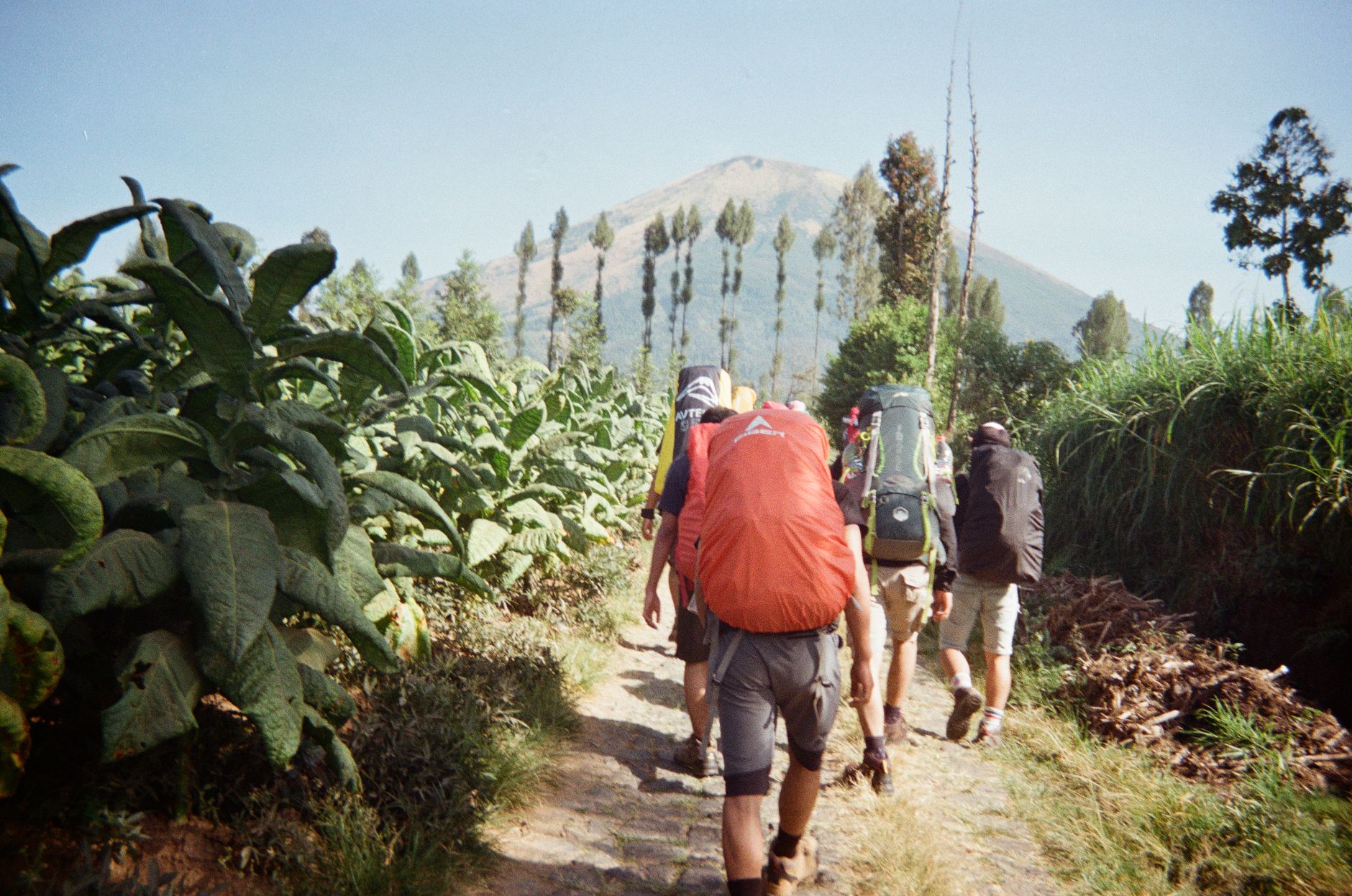
Backpacking Southeast Asia on a Budget: The Real Costs, The Real Chaos, and Why You Should Go Broke (But Not Actually)
I remember the exact moment I nearly cried in a Bangkok hostel. Not from sadness—from the sheer absurdity of my own stupidity. I’d been on the road for three weeks, eating pad thai from a street cart that cost 40 baht (about $1.20), sleeping in a fan room with a mattress that had seen better decades, and feeling smug about my spreadsheet. Then I lost my wallet in a tuk-tuk. Gone: my only ATM card, my backup cash, and my carefully laminated copy of my passport. I sat on the curb outside Khao San Road, sweating through my shirt, and thought: *this is either the end of the trip or the start of a better one*. It was the start. I spent the next two days living on 7-Eleven toasties and the kindness of a German guy who lent me 500 baht. That moment taught me more about budget travel than any blog I’d read. You don’t need a perfect plan. You need a flexible spine and a willingness to eat questionable street meat.
Why This Matters
You’ve heard it a thousand times: Southeast Asia is cheap. But cheap is a trap if you don’t know what “cheap” actually means. I’ve met travellers who blew through their entire three-month budget in two weeks because they thought “budget” meant staying in a private bungalow with a pool for $30 a night. That’s not budget—that’s just less expensive. Real budget backpacking in this region is a skill, not a price tag. It matters because the gap between a $15-a-day trip and a $50-a-day trip isn’t comfort—it’s freedom. The lower you can stretch your money, the longer you can stay, the deeper you can go, and the less you have to panic about that surprise monsoon season flight cancellation. I’ve done 67 countries on a shoestring, and Southeast Asia remains the single best place to learn how to travel poor without feeling poor. The food is incredible, the people are generous, and the buses are, uh, character-building. Every dollar you save here is a dollar you can spend on a scuba certification in Koh Tao or a slow boat down the Mekong—not on a “premium” hostel pillow.
Top 5 Tips
1. **Eat where the locals eat, but watch the queue.** Street food isn’t just cheap—it’s the best. But don’t just pick any stall. Look for the one with a line of workers at noon. That’s the sign of good food, not tourist hype. I’ve had a $0.50 bowl of noodle soup in Ho Chi Minh City that beat any restaurant meal I’ve had since. Rule of thumb: if the plastic stools are tiny and wobbly, you’re in the right place. If the menu is in English and has pictures of a smiling elephant, run.
2. **Book your first and last nights online, everything else on the ground.** Hostels and guesthouses in Southeast Asia rarely charge more at the door than online—actually, they often charge *less* if you walk in. I’ve negotiated a $10 dorm down to $7 just by asking, “Cash, no booking fee?” The first night needs a reservation so you don’t land at 2 AM with no plan. After that, walk, look, and haggle. You’ll save 20-30% and get a better room.
3. **Use overnight buses and trains as your hotel.** This is the oldest trick, but people still ignore it. A night bus from Bangkok to Chiang Rai costs $12 and saves you a night of accommodation. Sure, you’ll wake up with a crick in your neck and possibly a stranger’s elbow in your ribs, but that’s the price of freedom. Same for ferries in Indonesia—take the night crossing. You’ll lose a few hours of sleep, but you’ll gain a whole day of exploring.
4. **Drink the local booze, not the imported stuff.** A bottle of Chang beer in Thailand is $1.50. A bottle of Heineken is $3.50. Same buzz, double the price. In Laos, the local “Beerlao” is genuinely world-class and costs less than water. In Vietnam, it’s Bia Hoi—fresh draft beer for 20 cents a glass. You’re not there for the brand labels. You’re there for the sunsets on a beach with a cold one in your hand. Save the imported whisky for the flight home.
5. **Download offline maps and a translation app before you arrive.** This sounds boring, but it’s the biggest money-saver I know. If you can’t find your way, you’ll take a tuk-tuk. If you can’t ask for directions, you’ll miss the local bus. Google Maps offline works wonders, and an app like Papago for Thai or Vietnamese can help you bargain without getting ripped off. I once saved $15 on a taxi in Manila just by showing the driver the destination in the local language. Fifteen bucks is a day’s budget, my friend.
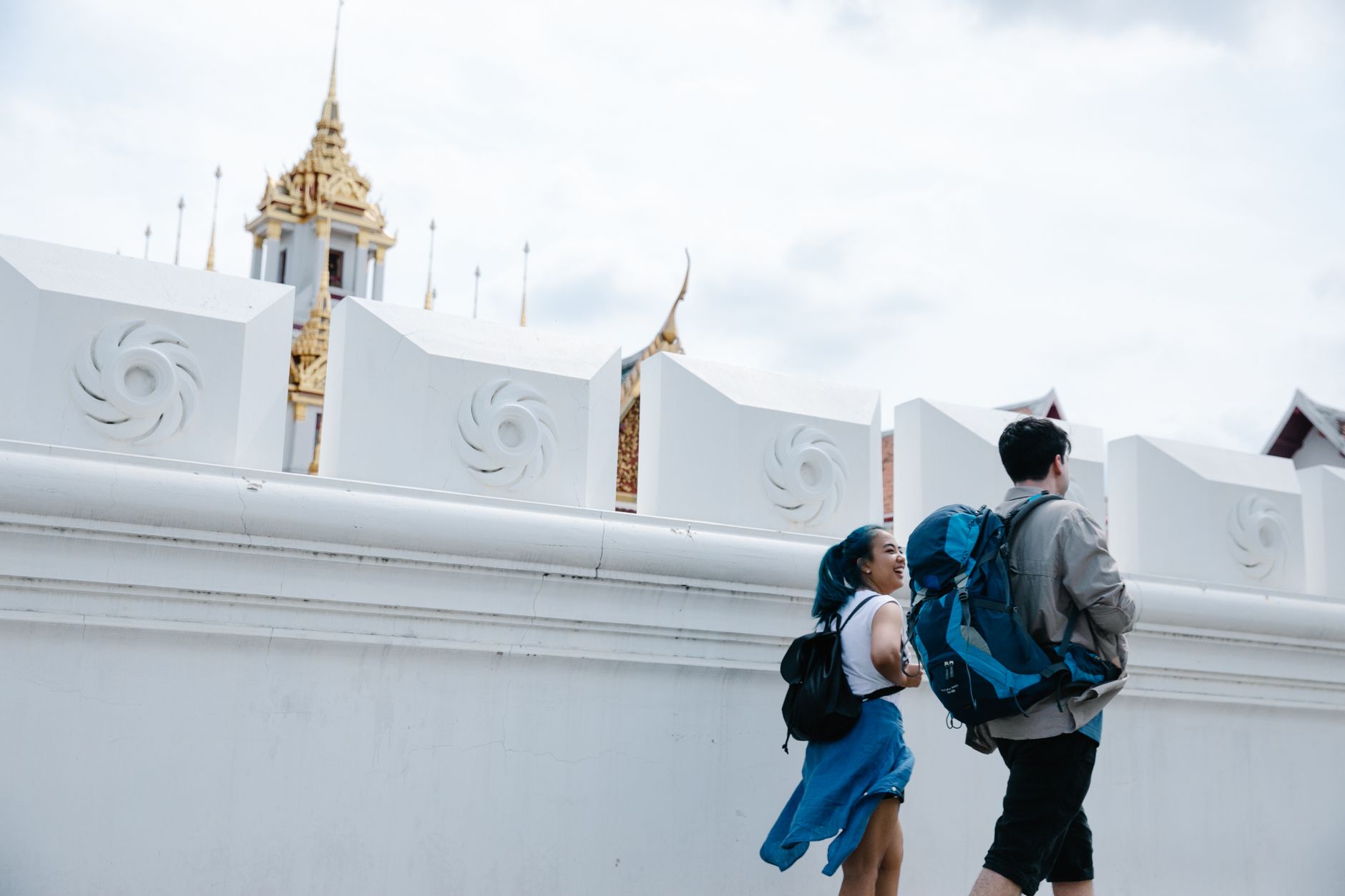
Budget Breakdown
Let’s get real with numbers. These are my actual costs from a 45-day loop through Thailand, Laos, and Vietnam in the shoulder season (April-May). Prices in US dollars, because that’s what I think in.
– **Accommodation**: $8-12 per night for a fan dorm in Thailand, $6-9 in Vietnam, $5-7 in Laos. I averaged $9.50/night. That’s $427 for 45 nights. I stayed in a private room exactly twice—both after 24-hour bus rides, and it felt like luxury.
– **Food**: Street food and market meals, two meals a day plus snacks. Average $6/day. That includes the occasional $2 bowl of pho, a $1.50 banana pancake, and a $0.50 coconut. I ate like a king for $270 total.
– **Transport**: Local buses, overnight trains, one domestic flight (Vietnam, $25). Total: $310. The flight was a splurge, but it saved me two days of winding mountain roads. Worth it.
– **Activities**: Temples, national parks, a scuba day in Koh Tao ($35), a cooking class in Chiang Mai ($12). Total: $180. I skipped the elephant sanctuaries that charged $80 and found a free one in the jungle instead.
– **Miscellaneous**: SIM card ($10), laundry ($15), the lost wallet fiasco (replacement card fee, $30), and a few too many Chang beers ($25). Total: $80.
– **Grand total**: $1,267 for 45 days. That’s **$28 per day**. I could’ve done it cheaper—I know people who live on $15 a day—but I also wanted to scuba dive and drink beer. You can do this trip on $1,000 if you skip the scuba and cook your own rice. But why would you?
One Mistake to Avoid
The mistake wasn’t losing my wallet in Bangkok. The mistake was carrying all my cash and cards in one thin cotton wallet in my back pocket. In a crowded night market, that’s an invitation. But the deeper mistake, the one I see every new backpacker make, is trying to see *everything*. You land in Bangkok, you’ve got 14 days, and you plan to hit Bangkok, Chiang Mai, Hanoi, Ha Long Bay, and Angkor Wat. That’s six countries in two weeks. You spend half your time on buses, half your money on “express” minivans, and you come home with photos of bus windows and a vague memory of a temple. I did that on my first trip to Asia—I covered 2,000 miles in nine days and remember almost nothing. The lesson I learned the hard way: pick two countries, or one country, and slow down. Stay three nights in a place instead of one. You’ll spend less, because you’re not constantly moving, and you’ll actually *feel* the place. The best memories I have from that 45-day trip aren’t the famous temples—they’re the random Tuesday afternoon in a tiny village in Laos where a kid taught me to fish with a stick. You can’t schedule that. You can only leave time for it.
Closing
Look, I’m not going to tell you that budget travel is easy. It’s not. It’s waking up at 5 AM to catch a bus that leaves an hour late, it’s eating something you can’t identify because you’re too polite to ask, it’s sleeping in a dorm where someone snores like a chainsaw. But it’s also the freedom of knowing that you can wake up tomorrow and change your entire plan on a whim, because your wallet isn’t screaming at you. Southeast Asia gave me that. It gave me sunburn, a scar on my knee from a motorbike slide, and a hundred stories I’ll tell until I’m senile. The budget isn’t the point—the point is that the budget lets you *stay*. And staying is where the magic lives. So pack light, pack smart, and leave room in your backpack and your schedule for the unplanned. The best thing I ever bought in Southeast Asia was a $3 hammock. The best thing I ever did was hang it up and wait. You should try it. What’s stopping you?