The first time I drove into Big Bend National Park, I had $340 to my name and a cooler full of peanut butter sandwiches. Three nights in my car. Twenty-two miles of hiking. One sunset over the Chisos Mountains that still pops into my head when I’m stuck in traffic back home. Total cost, gas from Austin included? Under $200. America gets a reputation as an expensive place to travel. Sometimes that’s true. But this country is packed with adventures that cost less than a nice dinner in Manhattan — you just have to sleep in weird places and eat gas station bananas for breakfast.
Utah taught me that the hard way. I’d budgeted $80 for a week in Moab, which was already stupid, then blew $45 of it on one mediocre burger and two beers because I hadn’t planned my food. By day three I was eating plain tortillas on a rock above the Colorado River, watching a couple in a rental RV grill steaks fifty feet away. The smell nearly broke me. But here’s the thing: that tortilla dinner, eaten on warm sandstone with the river roaring below, beat any restaurant meal I’ve had since. Hunger is a seasoning. So is saving your money for what actually matters.
Why This Matters
Travel in America has gotten expensive. Flights are up, hotels are up, and every national park seems to be fighting crowds. The cheap adventures haven’t disappeared, though. They’ve just moved slightly off the beaten path. The people who tell you a two-week road trip costs $5,000 are the same people who book hotels in gateway towns and eat every meal at the one restaurant with a patio. You don’t have to do that. Trade a little comfort for a lot of freedom, and you’ll eat better, sleep better, and see more for a fraction of the cost.
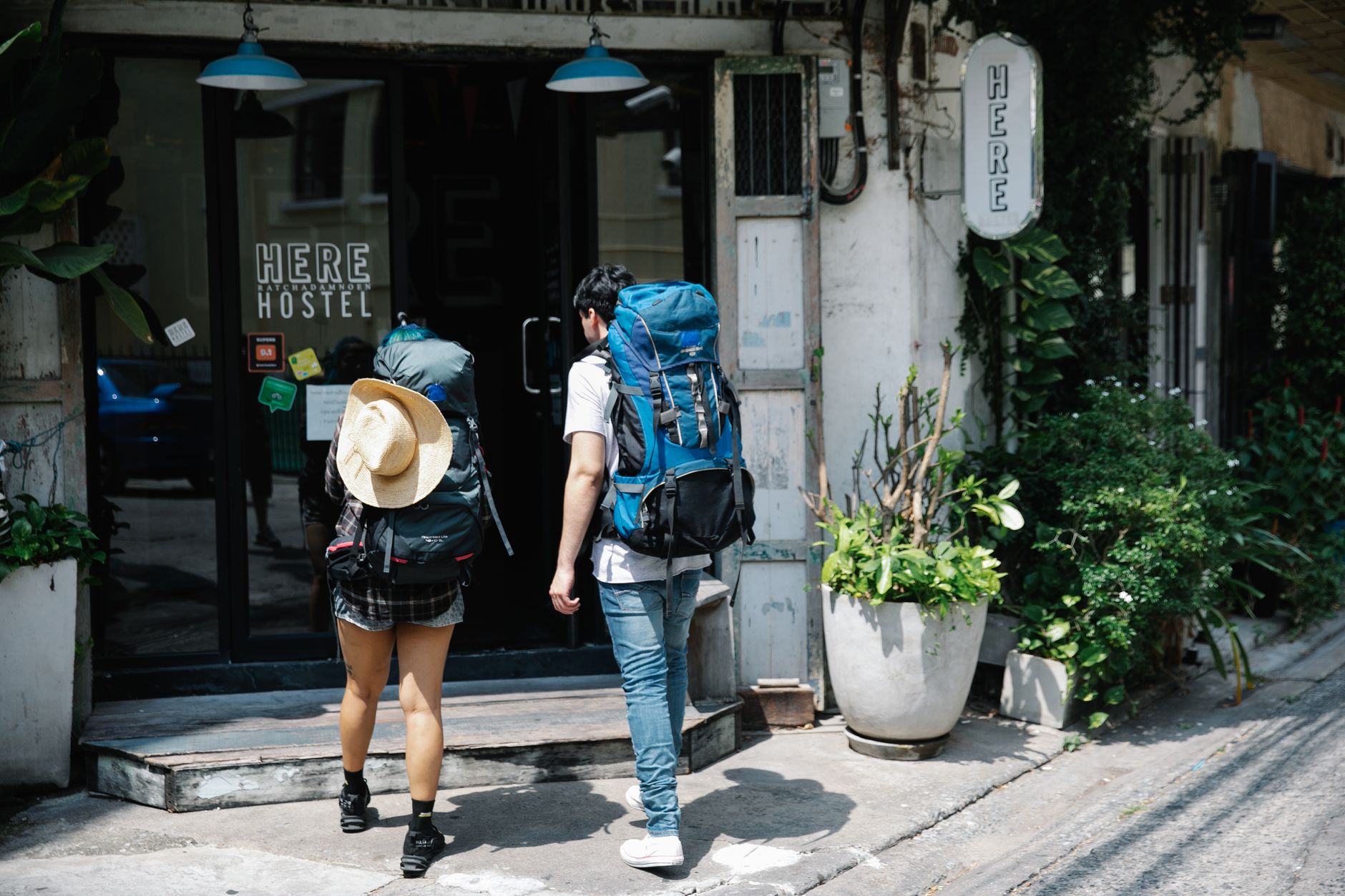
Here’s my counter-intuitive opinion: the most expensive trips I’ve taken were the least memorable. The $12 campsite in the middle of nowhere beat the $180 hotel room every single time. Something about paying less makes you pay more attention. You notice the small stuff. The way light hits a canyon wall at 6 a.m. The stranger who offers you half a sandwich. The quiet. When you’re not worried about getting your money’s worth, you actually get it.
Top 5 Tips
1. Sleep in your car, but do it legally. This is the single biggest money-saver. A motel night runs $80 to $150 in most of the country. That’s your entire daily budget gone. Instead, look up free camping on BLM land, national forest dispersed sites, and Walmart parking lots. I’ve slept in all three. The BLM spots are the best — free, legal, usually stunning. Check the rules before you park. Some towns hate car sleepers and will ticket you at 3 a.m. I know from experience.
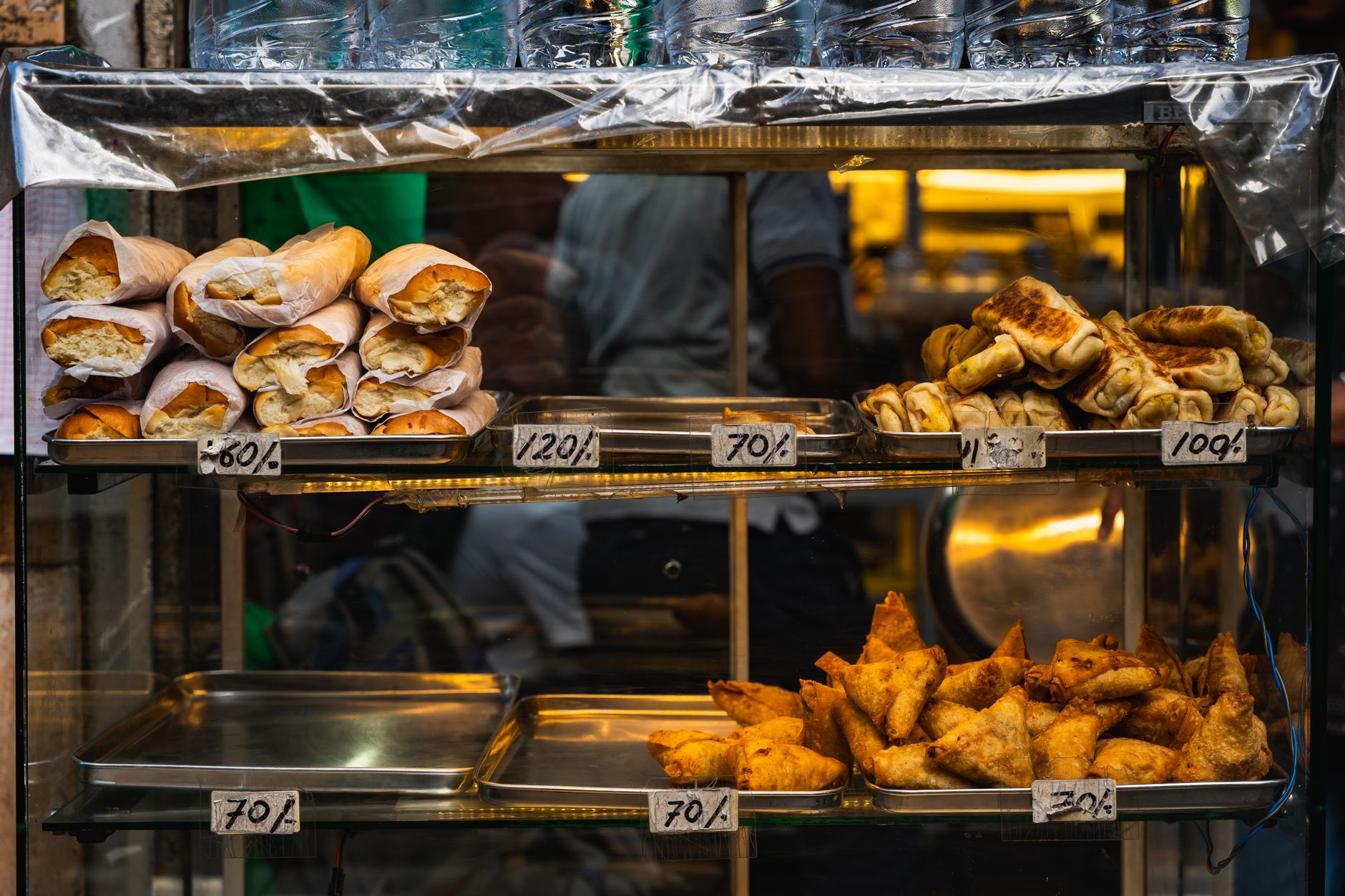
2. Eat out of a cooler, not a drive-thru. A $30 grocery run at Walmart or Aldi feeds me for four days. Oats, peanut butter, apples, tortillas, canned beans, a block of cheese, a bag of carrots. That’s breakfast, lunch, and dinner if you’re not picky. I splurge on one hot meal every three or four days. Usually something local and cheap — a taco truck, a diner breakfast, a slice of pizza. Keeps me sane without draining my wallet.
3. Chase free days at national parks. The National Park Service waives entrance fees on several days each year — MLK Day, the first day of National Park Week, Juneteenth, the anniversary of the Great American Outdoors Act, and Veterans Day. If you’re under 62 or don’t qualify for a senior pass, this matters. Plan a trip around one of those dates and you save $20 to $35 per park. Stack three parks in a week and that’s real money.
4. Use public land like a local. National forests, BLM land, and state wildlife areas are almost always free or close to it. You can hike, swim, fish, and camp on most of them. The trails are less crowded and often just as good. I’ve had entire weekends in Colorado and Oregon on national forest land where I saw more elk than people. The rangers at these places are gold mines of information. Ask them where the locals go. They’ll tell you.
5. Travel in the shoulder season. July in Yellowstone is a zoo and everything costs double. September is quiet, cheap, and the elk are bugling. Same park, same trails, half the price. I do most of my US travel in April, May, September, and October. Better weather, thinner crowds, and campgrounds that were full all summer suddenly have space. You might get a little rain. Bring a jacket.
Budget Breakdown
Here’s what a real week on the road looks like for me, based on a trip through New Mexico and Arizona last fall. Seven days, 1,100 miles, two national parks, one very cold night in a tent.
- Gas: $140 (1,100 miles at roughly 30 mpg, $3.80/gallon average)
- Food: $95 (one grocery run, three taco truck meals, too many gas station coffees)
- Camping: $45 (two nights in a developed campground at $20 each, one night at $5, four nights free on BLM land)
- Park fees: $35 (one park was free that week, the other charged the standard entrance fee)
- Miscellaneous: $25 (a shower at a truck stop, a replacement water bottle, one emergency ice cream)
Total: $340 for the week. That’s $48 a day. You cannot find a hotel room for that anywhere in this country. And I saw things people pay thousands to see on guided tours. The trade-off is comfort. My back hurt. I smelled bad. I ate cold beans straight from the can more than once. Worth it.
Want a slightly cushier version? Add $200 for a few motel nights and $100 for restaurant meals. You’re still under $700 for a week, which is less than a single night at a decent resort in most tourist towns.
One Mistake to Avoid
Don’t wing it on holiday weekends. I made this mistake in Moab over Memorial Day. Every campsite within 40 miles was full. Every motel had a “No Vacancy” sign. I ended up driving until 2 a.m. and sleeping in a gravel pullout next to a highway, which is both illegal and terrifying when trucks rumble past all night. I got maybe three hours of sleep and spent the next day miserable and cranky.
The lesson: always have a backup plan, and always check for local events, holidays, and festivals before you go. A town that’s empty on a Tuesday can be completely booked on a Saturday. I now scout two or three potential sleep spots before I arrive anywhere. If the first one is full, I have options. That one habit has saved me more than any other trick I’ve learned on the road.
Also, don’t assume free camping means easy camping. Some BLM roads are rough. I’ve scraped the bottom of my car on more than one “road” that was really just a suggestion of gravel. Check conditions, ask a ranger, and if you’re not sure, turn around. A tow bill will wipe out your entire trip budget in about four minutes.
So here’s the thing. You don’t need a trust fund to see this country. You need a car that runs, a cooler, a decent sleeping bag, and the willingness to be a little uncomfortable. The best adventures I’ve had in the US cost less than my monthly phone bill. The worst ones cost a fortune and taught me nothing. What’s stopping you from throwing a bag in the trunk and pointing your car west? The road’s already there. The gas station coffee is already terrible. Go find out what you’re made of.