Big cities chew up careless travellers. I’ve watched it happen in Bangkok, Bogotá, Barcelona — a guy with his phone out at a metro exit, a woman with her backpack unzipped on a crowded bus, a kid counting cash on a street corner. Twenty seconds later, it’s gone. I’ve been that guy twice. Once in Naples, once in Rio. Both times I got lucky. Most people don’t. Staying safe in a big city isn’t about being paranoid or locking yourself in a hostel. It’s about knowing the handful of moves that separate a smooth trip from a very expensive lesson.
Medellín, 2018. I was walking back to my hostel in El Poblado around 11pm, headphones in, phone in my hand, reading a message from my sister. A local guy stepped in front of me, not aggressive, just close. He said something I didn’t catch. I pulled out one earbud. He pointed at my phone, then at the dark side street behind him, then back at me. He wasn’t threatening me. He was warning me. Two blocks up, someone had been robbed an hour earlier. I walked the rest of the way with my phone in my pocket and my head up. That guy didn’t have to help me. He did. Most people will. The trouble is the ones who won’t.
Why This Matters
Getting robbed doesn’t just cost you a phone. It costs you the next three days of your trip — cancelling cards, filing police reports, buying a replacement, dealing with the emotional hangover. I lost a phone in Naples in 2016. The phone was €180. The replacement, the SIM, the bank calls, the wasted day at the consulate, the four hours I spent crying in a hostel kitchen — that whole mess ran me closer to €400 and a week of bad sleep. That’s a flight to somewhere new. That’s two weeks of street food.
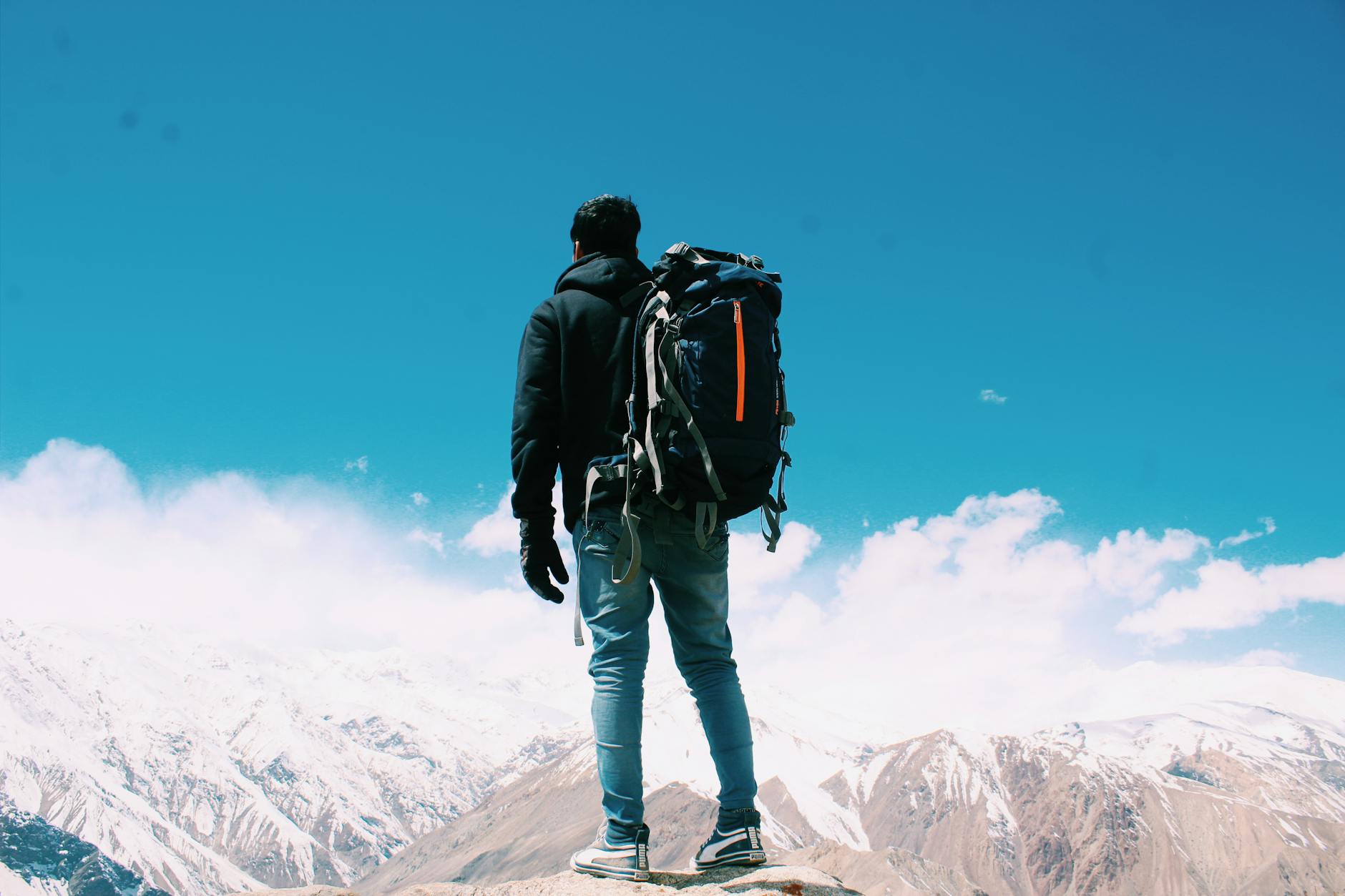
Here’s the counter-intuitive part: the cheapest travellers are often the safest. Not because we’re smarter, but because we’re not carrying anything worth taking. No laptop, no DSLR, no designer bag, no gold watch. When I travel, my whole kit fits in a 40L backpack and half of it is dirty laundry. A pickpocket looks at me and sees a guy who might have a beat-up Android and a half-eaten empanada. There’s no upside. The tourists who get targeted are the ones who look like they have something to lose.
That said, being broke doesn’t make you invincible. You can still get hurt, scammed, or dragged into something dumb at 2am. So here’s what actually works.
Top 5 Tips
1. Carry a decoy wallet. Always. This is the single best €5 you’ll ever spend. Get a cheap velcro wallet from a market, put 20 euros, an expired library card, and a couple of old receipts in it. Keep it in your back pocket. Your real cash and cards go in a money belt under your shirt or a zippered internal pocket. If someone demands your wallet, you hand over the decoy without thinking. I’ve done this twice. Both times the guy took it and walked away happy. I lost 20 euros and kept my trip.
2. Walk like you know where you’re going, even when you don’t. Muggers read body language. Head down, phone out, map open, confused face — you’re a target. Head up, steady pace, confident stride — you’re not worth the risk. If you’re lost, duck into a shop, a café, a hotel lobby. Check your map there. Then walk out like you own the street. I’ve done full loops around a block pretending I knew exactly where I was going. Nobody bothers the person who looks like they belong.
3. Split your money across four places. Never keep all your cash and cards in one spot. I do: decoy wallet (20 euros), front pocket (40 euros), money belt (the rest of the cash and one card), and a hidden zippered pocket in my backpack (backup card and 50 euros emergency). If one gets taken, I still have three. This has saved me twice. The guy in Naples got my front pocket. He didn’t get the belt. I still had enough to get home.
4. Know the two-block rule. Every big city has a safe zone and a not-safe zone, and they’re often two blocks apart. In Medellín, El Poblado is fine. Two blocks toward the river at night, not fine. In Rio, Copacabana beach is fine during the day. Two blocks inland after dark, not fine. Ask your hostel staff where the line is. Ask a bartender. Ask the guy at the corner store. They’ll tell you straight. Then don’t cross it. I don’t care how good the restaurant is. It’s not worth it.
5. Trust the hair on your neck. If something feels off, it is off. That guy who keeps looking at you on the metro? Move cars. That group of teenagers who just slowed down when you walked past? Cross the street. That taxi driver who won’t use the meter? Get out. You don’t owe anyone an explanation. The one time I ignored that feeling — Buenos Aires, 2019, a guy followed me for three blocks — I ended up sprinting into a hotel lobby and hiding behind a potted plant for twenty minutes. Trust the feeling. It’s cheaper than the alternative.

Budget Breakdown
Here’s what staying safe actually costs. All prices in euros, because that’s what I carry.
- Decoy wallet: €5 at any street market. Fill it with €20 and expired cards. Total: €25.
- Money belt: €12 on Amazon or €8 at a travel shop. Wear it under your shirt. Not fashionable. Effective.
- Pacsafe or similar bag: €60-€80. Worth it if you carry a laptop. Skip it if you’re on a shoestring — a regular backpack with a zipper and a small padlock (€5) does the same job.
- Doorstop alarm: €8. For hostel dorms or cheap guesthouses with flimsy doors. Weighs nothing. Saved me once in a sketchy guesthouse in Lima.
- Backup card: €0 to open, but keep €50-€100 on it. This is your “I just got robbed” fund. Don’t touch it otherwise.
- Travel insurance: €30-€50 for a month. I use World Nomads. They paid out €180 when my phone got stolen in Naples. Not the full value, but better than nothing.
Total upfront: about €100-€150. That’s two nights in a decent hostel. It’s the best money you’ll spend on your trip. I promise.
One Mistake to Avoid
Don’t fight back. I mean it. I’ve seen guys try to wrestle their phone back from a mugger. I’ve seen a guy in Bogotá chase a kid down the street after getting his wallet lifted. He caught the kid. Then the kid’s three friends showed up. He didn’t get his wallet back. He got a broken nose and a night in a clinic. The wallet had 40 euros in it.
Your stuff is replaceable. Your face isn’t. Hand it over. Let them run. Then go to the police station, file the report, call your bank, and move on. The worst thing you can do is turn a robbery into a fight. I know it feels wrong. I know your ego is screaming. Ignore it. The guy who walks away with a story is better off than the guy who walks away with stitches.
One more thing: don’t chase the guy. Don’t follow him. Don’t try to get a photo of him for the police. Just let him go. He knows the neighborhood better than you do. He has friends. You don’t. Walk the other way.
And here’s the part nobody tells you: the emotional hit is worse than the financial one. After Naples, I didn’t leave my hostel for two days. I was angry at myself. I kept replaying the moment, thinking about what I could have done differently. That’s wasted energy. It happened. You survived. You learned something. Move on.
You’re going to get scammed at some point. Everyone does. The question is whether it costs you 20 euros or your whole trip. Carry the decoy wallet. Split your cash. Trust your gut. Walk like you belong. And if the worst happens, hand it over and walk away. The city doesn’t care about your stuff. Neither should you. The only thing that matters is that you’re still standing there, breathing, with a story to tell. That’s a good trip. Everything else is just stuff.